
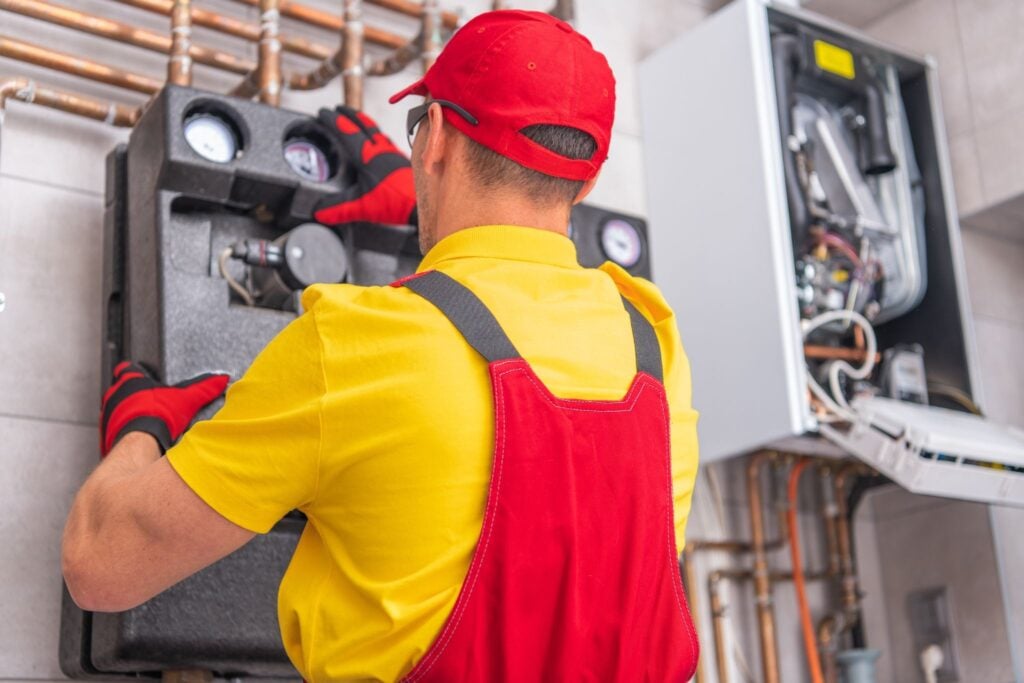
A furnace breakdown can quickly disrupt comfort and create unexpected expenses. Many homeowners feel uncertain when faced with repair estimates they have never encountered before. Costs can vary greatly depending on the problem, the equipment, and the service required. Understanding how furnace repair pricing works makes it easier to make informed decisions. A better grasp of common repair costs can help you avoid surprises and plan.
Average Furnace Repair Costs Homeowners Can Expect
Repair costs vary because every heating system has different needs and operating conditions. Some problems require simple adjustments, while others involve major component replacements. Labor charges and replacement parts also affect the final invoice. Understanding typical price ranges helps homeowners prepare for potential expenses.
What is the Average Furnace Repair Cost?
Most furnace repairs cost between $150 and $1,500, depending on the issue. Minor repairs often cost less than $500 because they require fewer parts and less labor. Larger repairs involving critical components usually cost more due to increased complexity. Labor rates also influence the final amount homeowners pay. Parts availability can further affect pricing when specialized components are needed. Reviewing common repair ranges helps set realistic expectations before scheduling service.
What is the Most Expensive Furnace Repair?
Heat exchanger replacement often ranks among the costliest furnace repairs. This component directly affects heating performance and safe operation. Repair expenses can approach the cost of a replacement system in some situations. Labor requirements often increase because technicians must perform extensive work. Additional testing may also follow the repair process. Many homeowners compare replacement and repair options when facing this type of expense.
Diagnostic and Inspection Fees
Most furnace repairs begin with a professional inspection and diagnosis. Service companies often charge a fee to identify the source of the problem. This fee covers testing, troubleshooting, and system evaluation. Some companies apply the charge toward the final repair cost if work proceeds. Emergency appointments may increase diagnostic fees due to scheduling demands. Asking about inspection costs beforehand helps prevent confusion later.
Emergency Furnace Repair Costs
Heating failures often happen during periods of heavy furnace use. Emergency services usually cost more than standard scheduled appointments. Evening, weekend, and holiday visits frequently include additional charges. Technicians may also need expedited access to replacement parts. Faster response times often come with premium labor rates. Understanding these costs helps homeowners prepare for urgent situations.
What Affects Furnace Repair Costs?
Several factors influence the amount homeowners pay for furnace repairs. Repair estimates often reflect labor requirements, parts costs, and system complexity. Furnace age can also affect the availability of replacement components. Understanding these variables makes service estimates easier to evaluate.
Furnace Age and System Condition
Older furnaces often require more extensive troubleshooting before repairs begin. Replacement parts may be difficult to locate for discontinued models. Wear on multiple components can also increase labor time. A neglected system often develops several issues at once. Well-maintained equipment generally requires less extensive repair work. Service professionals often consider the overall condition when making recommendations.
Labor Rates and Service Timing
Labor costs vary according to technician experience and company pricing. Emergency appointments typically cost more than standard service calls. Weekend and holiday repairs often include additional fees. Some repairs require several hours of specialized labor. Travel distance may also affect service pricing in certain areas. Understanding labor charges helps homeowners interpret repair estimates more accurately.
Parts Availability and Brand Differences
Some furnace brands use specialized components that cost more than standard parts. Older systems may require hard-to-find replacements. Supply chain disruptions can also affect pricing and availability. Popular furnace brands often have better access to replacement components. Waiting for special-order parts may increase repair timelines. These factors can significantly influence the total repair bill.
Common Furnace Repairs and Their Costs
Certain furnace problems appear more frequently than others during service calls. Understanding the typical cost of these repairs helps homeowners set realistic expectations before scheduling service. Actual pricing can vary based on labor rates, furnace type, parts availability, and repair complexity. The following ranges serve as general estimates rather than fixed costs.
Thermostat and Ignition Repairs
Thermostat repairs and replacements typically range from $100 to $600. Simple fixes such as recalibration or wiring adjustments often fall at the lower end of that range. Ignition system repairs generally cost between $150 and $500, depending on the component involved. Problems with igniters, pilot assemblies, or flame sensors can affect pricing. Most of these repairs can be completed during a single service visit. Final costs may vary depending on the furnace model and labor requirements.
Blower Motor and Fan Issues
Blower motor and fan repairs generally range from $300 to $1,200. Minor fan repairs often cost less because they require fewer replacement parts. Motor replacement typically falls toward the higher end of the range due to labor and equipment costs. Homeowners may notice weak airflow, unusual noises, or inconsistent heating when these components fail. Technicians often inspect related parts to identify the full scope of the problem. Repair expenses depend on the motor type, furnace design, and overall system condition.
Heat Exchanger Repairs
Heat exchanger repairs often range from $500 to $2,500 or more. Costs vary significantly because the severity of the damage can differ from one system to another. Small issues may allow for limited repairs, while extensive damage often requires replacement. Labor expenses can increase because technicians must perform detailed inspections and testing. In some situations, replacement may offer better value than repairing the existing unit. A professional assessment helps determine the most practical option.
Control Board Repairs
Control board repairs and replacements typically cost between $200 and $1,000. Modern furnaces rely heavily on these electronic components to manage system operations. Pricing depends on the board type, manufacturer, and availability of replacement parts. Diagnostic testing is often necessary to confirm that the board is the source of the problem. More advanced furnace systems may require specialized components that increase costs. Actual repair expenses can vary depending on system complexity and labor rates.
Furnace Repair Cost Breakdown by Component
Repair costs often depend on which furnace component requires attention. Some parts are relatively inexpensive to repair, while others involve extensive labor or specialized replacements. Understanding typical cost ranges helps homeowners better evaluate service estimates. These figures represent general industry averages and may vary based on furnace type, location, labor rates, and parts availability.
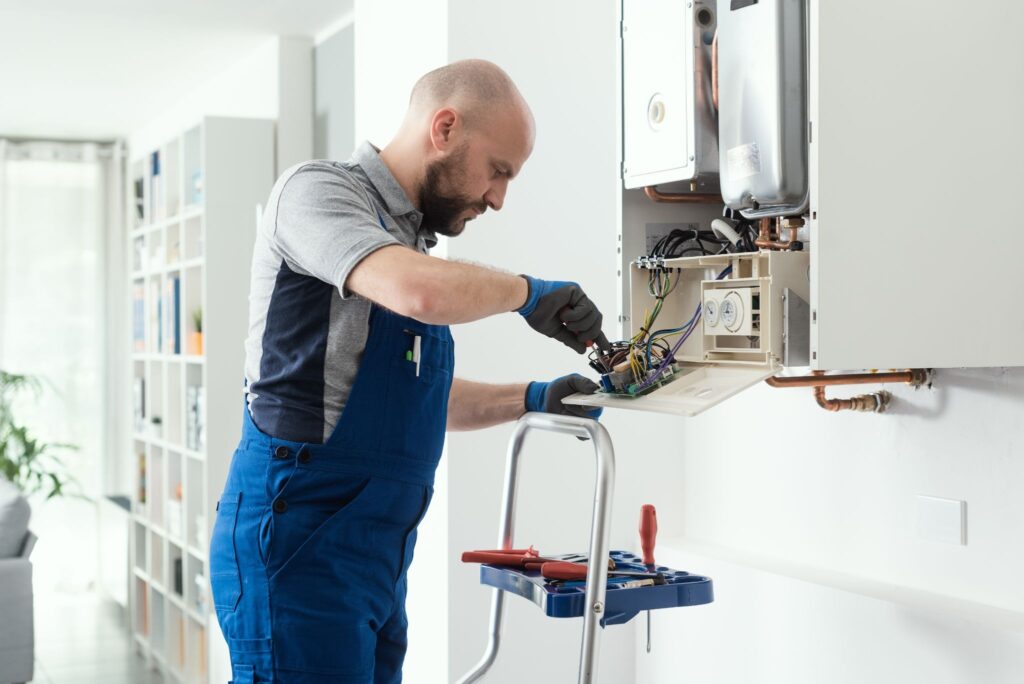
Electrical Components
Electrical component repairs generally range from $150 to $1,000. Common repairs involve control boards, relays, wiring connections, and capacitors. Minor electrical issues often fall near the lower end of the range, while control board replacements tend to cost more. Diagnostic testing may account for a portion of the total expense because technicians must identify the exact source of the problem. Modern furnaces often contain advanced electronics that require specialized troubleshooting. Actual costs depend on the component involved and the complexity of the repair.
Mechanical Components
Mechanical component repairs typically range from $200 to $1,500. This category includes blower motors, fan assemblies, belts, bearings, and related moving parts. Minor repairs usually cost less because they require fewer replacement components. Major motor replacements often fall at the higher end of the range due to labor and equipment costs. Mechanical problems may cause unusual noises, weak airflow, or reduced heating performance. Final pricing varies according to the furnace design and the extent of the repair.
Safety Components
Safety component repairs generally cost between $100 and $600. Common examples include flame sensors, pressure switches, limit switches, and other protective devices. These parts help regulate furnace operation and prevent unsafe conditions. Many safety-related repairs remain relatively affordable when addressed early. However, costs can increase if a failed safety component damages other parts of the system. Repair pricing ultimately depends on the affected component and the diagnostic work required.
How Furnace Type Influences Pricing
Different furnace designs require different repair approaches and components. System complexity often affects labor requirements and repair timelines. Parts availability can also vary according to furnace type. Understanding these differences helps explain pricing variations.
Gas Furnace
Gas furnaces contain burners, ignition systems, and combustion-related components. Technicians must inspect these parts carefully during repairs. Gas flow issues often require detailed troubleshooting procedures. Safety testing usually follows the repair process. Replacement parts vary according to manufacturer and model. Pricing often reflects the complexity of gas system repairs.
Electric Furnace
Electric furnaces rely on heating elements rather than combustion systems. These units generally contain fewer mechanical components. Electrical issues remain among the most common repair concerns. Technicians often inspect relays, wiring, and heating elements. Some repairs require specialized electrical testing equipment. Costs vary according to the affected component and repair complexity.
High-Efficiency Furnace
High-efficiency systems include additional components designed to improve performance. These units often contain advanced electronic controls and specialized sensors. Repairs may require technicians with specific training and experience. Replacement parts can sometimes cost more than standard furnace components. Diagnostic procedures may also take longer. These factors often contribute to higher repair expenses.
Questions to Ask Before Approving Repairs
Repair estimates often contain details homeowners may not fully understand. Asking the right questions can prevent unnecessary expenses. Clear communication helps create confidence during the repair process. Understanding available options supports better decisions.
Does Warranty Cover the Repair?
Some furnace components remain protected under manufacturer warranties. Coverage can reduce out-of-pocket costs significantly. Homeowners should review warranty documents before authorizing repairs. Service providers can often help verify coverage details. Labor charges may still apply under certain warranty terms. Understanding available coverage helps avoid unnecessary spending.
Should You Get Multiple Estimates?
Repair costs can vary between service providers. Comparing estimates offers a better understanding of market pricing. Different technicians may recommend different repair approaches. Multiple opinions can provide a valuable perspective on major repairs. Written estimates make comparisons easier and more accurate. A second opinion often helps homeowners make informed choices.
Are There Additional Problems to Watch For?
A furnace issue can sometimes indicate wear in other areas of the system. Technicians may identify developing concerns that have not yet caused noticeable symptoms. Understanding these potential issues helps homeowners plan for future maintenance or repairs. Early awareness can also reduce the likelihood of unexpected breakdowns. Reputable service providers should explain any findings clearly without pressuring homeowners into unnecessary work. This discussion can provide a more complete picture of the furnace’s condition.
Compare Furnace Repair Prices to Avoid Surprises
A furnace rarely fails without warning, but repair costs often rise when small issues go unchecked. Understanding furnace repair prices helps you spot fair estimates, plan, and avoid unnecessary expenses. Acting sooner can help preserve comfort, reduce stress, and limit the risk of a complete system breakdown. A professional evaluation today may cost far less than waiting for a heating emergency tomorrow.
Every plumbing system has a story, and understanding yours can help prevent costly surprises. Explore the Cardinal Plumbing blog for expert guidance, helpful resources, and answers to common plumbing and water quality questions.