

Hard water can quietly affect nearly every part of a home. Mineral deposits build up inside pipes, appliances, and fixtures long before major problems appear. Many homeowners begin researching water softeners after noticing cleaning issues, higher maintenance costs, or reduced appliance performance. The price of a water softener varies widely because every home has different water conditions and treatment needs. Understanding the costs involved helps you make a smarter investment and avoid unexpected expenses later.
Why Installing a Water Softener Makes Sense
Installing a water softener can help address many of the common problems caused by hard water. Excess minerals such as calcium and magnesium can accumulate inside pipes, appliances, and fixtures, leading to reduced efficiency and increased maintenance needs. A water softener helps minimize mineral buildup, which can support the performance and lifespan of water heaters, dishwashers, washing machines, and plumbing systems. Many homeowners also notice cleaner dishes, softer laundry, and improved soap performance after installation. Over time, a water softener can help reduce household frustrations and contribute to lower repair and replacement costs.
Average Water Softener Costs
Water softener prices depend on the system type, capacity, and included features. Some homes only need a basic solution, while others require advanced whole-house water treatment equipment. Installation costs also contribute to the total investment. Knowing the common price ranges helps homeowners set realistic expectations before shopping.
Basic Water Softener Systems
Entry-level water softeners typically cost between $500 and $1,200 before installation. These systems often serve homes with moderate water usage and average hardness levels. Most use ion exchange resin to remove hardness minerals from the water supply. Basic units generally include standard controls and limited automation features. Many homeowners choose these systems because they provide effective hard water treatment at a lower price point. This option works well for households seeking a practical and affordable solution.
Mid-Range and Premium Systems
Mid-range systems typically cost $1,200 to $3,000. Premium models can exceed $4,000 depending on size and technology. Advanced systems often include smart monitoring capabilities and demand-based regeneration. Higher-capacity units can support larger homes and heavier water usage. Some premium models improve efficiency by reducing salt and water consumption. This investment often appeals to homeowners looking for long-term performance and convenience.
Water Softener Cost Breakdown
The total project cost extends beyond the equipment itself. Installation expenses typically range from $300 to $1,500, depending on complexity. Annual maintenance and salt costs can add another $50 to $300 each year. Some homes require additional plumbing modifications that increase upfront expenses. Water testing may also add a small cost before installation begins. This complete cost picture helps homeowners budget more accurately.
Factors That Affect Water Softener Pricing
Several variables influence the amount homeowners spend on a water softener system. Water quality conditions often determine the size and type of equipment required. Household water usage also affects capacity requirements. Understanding these factors makes it easier to compare different solutions.
Water Hardness Levels
Water hardness measures the concentration of minerals such as calcium and magnesium. Higher mineral levels usually require larger treatment systems. A professional water hardness test helps identify the proper grain capacity. Severe hard water conditions can increase both equipment and operating costs. Larger systems often regenerate more frequently when treating extremely hard water. This water quality information helps prevent costly sizing mistakes.
System Capacity and Demand
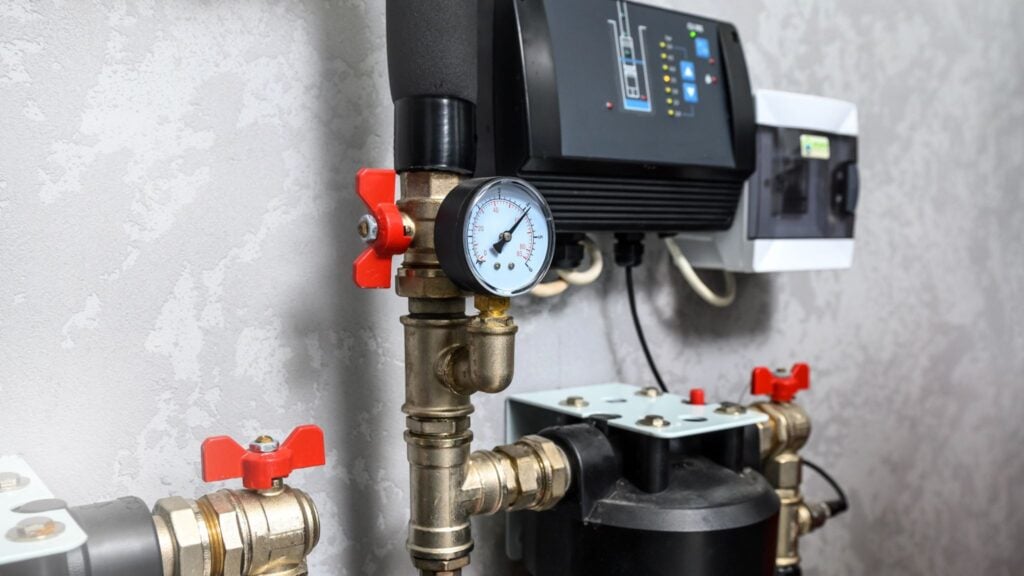
Water usage directly impacts the size of the recommended system. Larger households generally require higher-capacity water softeners. Multiple bathrooms and frequent appliance use increase demand throughout the day. Manufacturers offer systems with different grain capacities to match these needs. Selecting the right size helps maintain a consistent supply of soft water. This capacity requirement plays a major role in determining overall cost.
Additional Water Treatment Needs
Some homes need more than a traditional water softener. Water supplies may contain iron, sulfur, sediment, or other contaminants. Additional filtration equipment increases the total investment. Whole-house water treatment systems often combine several technologies into one solution. These upgrades can improve water quality throughout the home. This added treatment capability affects both equipment and installation costs.
Types of Water Softener Systems
Several water softener technologies are available for residential properties. Each option offers different advantages, maintenance requirements, and pricing structures. Understanding the available choices helps homeowners narrow their options. The right system depends on water conditions and treatment goals.
Salt-Based Water Softeners
Salt-based systems remain the most widely used water softening solution. These systems remove hardness minerals through an ion exchange process. A resin tank and a brine tank work together to regenerate the system. Many homeowners choose this technology because of its consistent results. Costs vary based on size, efficiency, and control features. This option remains one of the most effective ways to address hard water problems.
Salt-Free Water Conditioners
Salt-free systems condition water rather than removing hardness minerals. These units focus on reducing mineral scale buildup inside plumbing and appliances. Homeowners often appreciate the lower maintenance requirements. Salt-free systems do not require regular salt purchases or regeneration cycles. Performance depends on water chemistry and mineral content. This alternative appeals to homeowners seeking a lower-maintenance approach.
Dual-Tank Water Softeners
Dual-tank systems provide continuous access to softened water. One tank regenerates while the second tank remains active. This design supports homes with higher water demand. Larger households often benefit from uninterrupted operation. Dual-tank systems generally cost more than standard single-tank units. This added convenience contributes to the higher purchase price.
Magnetic and Electronic Descalers
Magnetic and electronic descalers offer another treatment option. These devices aim to reduce scale buildup without traditional softening methods. They generally cost less than full water softener systems. Results vary significantly depending on water conditions. Some homeowners use them as a supplemental treatment method. This category provides an alternative for those exploring different solutions.
Water Softener Installation and Labor Expenses
Installation costs can significantly affect the total investment. Plumbing layouts vary from one home to another. Additional modifications may increase labor requirements. Professional installation helps support reliable system performance.
Professional Installation Costs
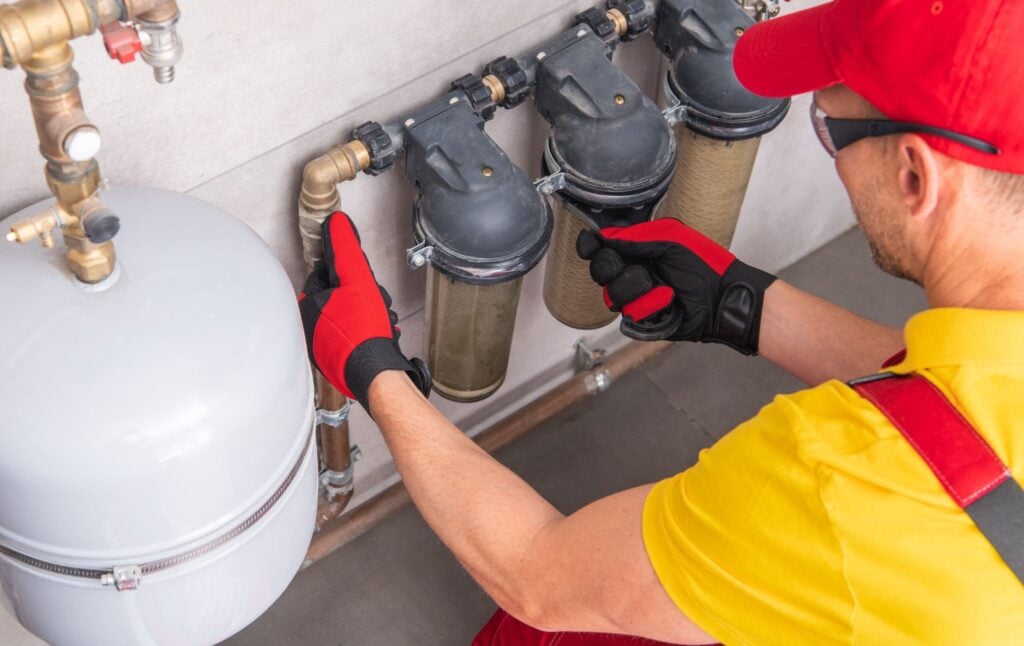
Professional installation usually costs between $300 and $1,500. Simpler projects often require less labor and fewer materials. More complex installations may involve extensive plumbing adjustments. Licensed installers can identify potential issues before work begins. A professional setup also helps maintain manufacturer warranty requirements. This service provides additional confidence during the installation process.
Additional Plumbing Requirements
Older homes sometimes require plumbing updates before installation. Pipe modifications, shut-off valves, and drain connections may need attention. Electrical access can also affect installation complexity. These requirements increase labor and material costs. A site inspection can identify potential challenges before work begins. This preparation helps homeowners avoid unexpected expenses.
DIY vs Professional Installation
Some homeowners consider installing a water softener themselves. Basic installations may seem straightforward when plumbing access is convenient. Professional installation reduces the likelihood of leaks and performance issues. Improper installation can affect efficiency and warranty coverage. Labor costs increase the initial investment but may prevent future repair expenses. This decision should balance savings against long-term reliability.
Long-Term Costs of Water Softeners
Owning a water softener involves ongoing expenses beyond the purchase price. Maintenance requirements vary depending on the type of system. Understanding these costs helps homeowners evaluate long-term affordability. A complete budget should include both operating and repair expenses.
Salt and Routine Maintenance
Salt purchases remain a common operating expense for traditional systems. Most homeowners spend between $50 and $300 annually on salt. Water hardness and usage patterns influence consumption rates. Routine maintenance helps maintain reliable performance. Small service issues often cost less when addressed early. This ongoing care supports efficient operation throughout the system’s lifespan.
Repair and Replacement Expenses
Mechanical components eventually wear out after years of use. Control valves, seals, and resin beds may require replacement. Repair costs vary depending on the age and model of the system. Many quality water softeners remain operational for 10 to 15 years. Regular maintenance can help extend equipment life. This durability contributes to the overall value of the investment.
Water Softener Cost vs Long-Term Savings
Many homeowners focus on upfront expenses while overlooking potential savings. Soft water can reduce wear throughout plumbing systems and appliances. Improved efficiency often lowers maintenance costs over time. Evaluating long-term value provides a more complete picture of the investment.
Reduced Appliance and Plumbing Wear
Mineral deposits can accumulate inside pipes, fixtures, and appliances. Soft water helps limit scale buildup throughout the home. Reduced mineral accumulation may extend equipment lifespan. Plumbing systems often require less maintenance when buildup remains under control. Fewer repairs can create meaningful savings over time. This protection adds value beyond improved water quality.
Lower Cleaning and Product Expenses
Soft water helps soaps and detergents work more effectively. Many homeowners notice they use fewer cleaning products after installation. Dishes, fixtures, and glass surfaces often stay cleaner. Laundry may require less detergent while producing better results. Reduced product usage can create ongoing household savings. This benefit contributes to the overall return on investment.
Improved Water Heater Efficiency
Water heaters often experience substantial mineral buildup in hard water environments. Scale deposits force heating elements to work harder. Increased energy consumption can raise monthly utility costs. Soft water helps reduce mineral accumulation inside the system. Improved efficiency may lower operating expenses throughout the year. This advantage often becomes one of the most valuable long-term benefits.
Invest Wisely in a Water Softener for Your Home
Every home has different water conditions, so the best solution is not always the most expensive. A water softener that matches your household’s needs can help reduce ongoing maintenance concerns while supporting the performance of your plumbing and appliances. Waiting too long often allows mineral buildup to create problems that cost more to address later. Taking the time to evaluate your options today can help you choose a system that delivers lasting value for years to come.
The smartest home improvements begin with informed decisions. Browse the Cardinal Plumbing blog for expert perspectives, maintenance tips, and valuable information to help you get more from your plumbing system.