
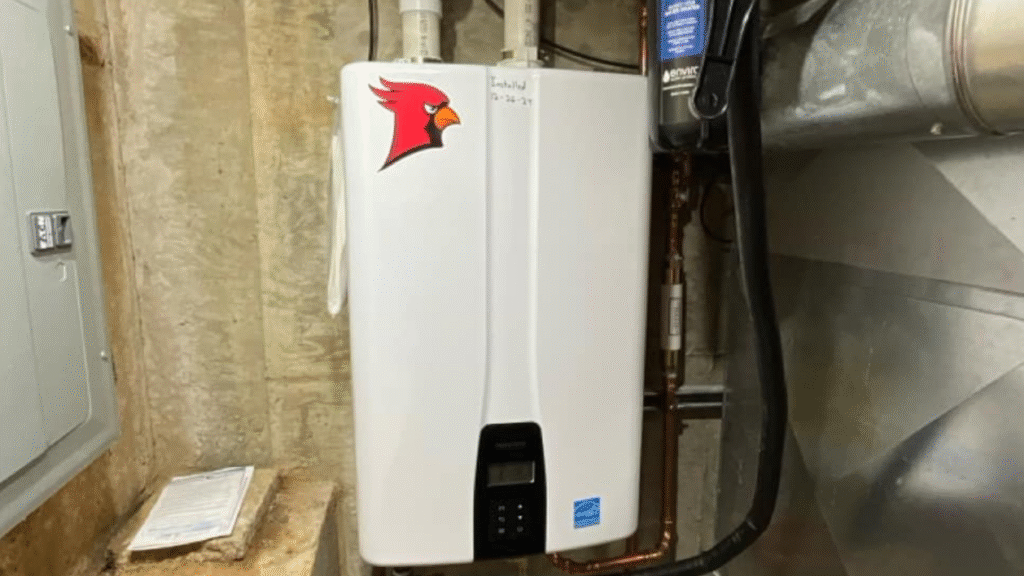
When you think about your plumbing system, your water heater is one of the most important components. It provides warm water for showers, dishwashing, laundry, and business operations. However, while most people focus on the convenience and efficiency of their unit, they often overlook something equally critical—water heater safety.
At Cardinal Plumbing Co., we’ve seen firsthand what can happen when safety features are ignored or misunderstood. From small leaks that create costly damage to dangerous pressure buildups that risk explosions, water heaters can pose real hazards if they’re not properly maintained. That’s why today we’re taking a deep dive into understanding water heater safety features and their importance.
Why Water Heater Safety Matters
Your water heater may seem like a simple appliance, but it’s essentially a pressure vessel holding hot water at high temperatures. Without proper safety mechanisms, even a small malfunction can lead to:
- Burn hazards from scalding water.
- Property damage from leaks or bursts.
- Gas leaks in fuel-powered units.
- Carbon monoxide poisoning from faulty ventilation.
- Explosions due to unchecked pressure.
For Illinois homeowners and businesses, ignoring water heater safety can mean expensive repairs, legal liabilities, and serious health risks. That’s why manufacturers include multiple built-in safety features and why professional plumbing inspections are so essential.
Key Water Heater Safety Features
Let’s explore the most important safety features built into modern water heaters and why each plays a vital role.
1. Temperature and Pressure Relief (T&P) Valve
Perhaps the most critical feature of any water heater is the T&P valve. This small device is designed to release water if the temperature or pressure inside the tank rises beyond safe limits.
- How it works: If pressure exceeds around 150 psi or temperatures go beyond 210°F, the valve opens to release water and steam, preventing an explosion.
- Why it matters: Without a working T&P valve, your water heater becomes a ticking time bomb.
👉 Tip from Cardinal Plumbing Co.: Homeowners should test their T&P valve every 6 months by carefully lifting the handle and ensuring water flows freely.
2. Thermostat Controls
Every water heater has a thermostat that regulates water temperature.
- Safe setting: Most experts, including our Illinois plumbing team, recommend 120°F. This reduces scalding risk while saving energy.
- Why it matters: A faulty thermostat can cause dangerously hot water or allow bacteria like Legionella to thrive if the water is too cool.
3. Automatic Shut-Off Valves
Many newer water heaters include automatic shut-off valves for both water and fuel supply.
- For gas units: If a gas leak is detected, the valve shuts down the fuel line.
- For electric units: Shut-off switches cut power if overheating occurs.
This feature dramatically increases water heater safety, especially for businesses that may not notice leaks immediately.
4. Expansion Tanks
Illinois homes with closed plumbing systems often benefit from expansion tanks, which absorb excess pressure as water expands during heating.
- Why it matters: Without an expansion tank, pressure can build up and stress your water heater tank, shortening its lifespan and risking leaks.
5. Flammable Vapor Ignition Resistant (FVIR) Technology
For gas water heaters, FVIR systems prevent accidental ignition of flammable vapors outside the tank.
- Example: If gasoline fumes are present in a garage, the heater won’t ignite them.
- Why it matters: This is especially important for Illinois businesses like auto shops or warehouses where flammable products are stored.
6. Venting and Carbon Monoxide Protection
Gas water heaters must vent exhaust gases, including carbon monoxide, safely outside.
- Why it matters: Poorly installed or blocked vents can lead to dangerous indoor carbon monoxide levels.
- Added protection: Installing carbon monoxide detectors near your unit provides another layer of water heater safety.
7. Drain Valves
While primarily for maintenance, drain valves also support safety. Regularly draining sediment buildup prevents overheating, rust, and structural failure of the tank.
8. Insulation and Safety Shields
Modern water heaters often include built-in insulation jackets and safety shields that reduce heat loss and minimize the risk of burns if someone accidentally touches the exterior.
Common Water Heater Safety Risks in Illinois
At Cardinal Plumbing Co., we often encounter recurring safety concerns in Illinois homes and businesses. Here are the most common:
- Aging water heaters: Units older than 10–12 years may lack modern safety features.
- DIY repairs: Improper installation or repair can disable safety systems.
- Neglected maintenance: Sediment buildup and unchecked valves are major hazards.
- Gas leaks: Older gas lines and connectors can fail without warning.
- Improper venting: Especially dangerous in basements or tight utility rooms.
How to Ensure Your Water Heater Remains Safe
Understanding safety features is one thing—keeping them functioning is another. Here are steps every Illinois homeowner and business owner should follow:
1. Schedule Annual Professional Inspections
A licensed plumber can test all safety systems, check for leaks, and ensure your unit meets current codes.
2. Test Safety Valves Regularly
Your T&P valve should be tested twice a year. If it doesn’t release water, call a professional immediately.
3. Adjust Your Thermostat
Keep it at 120°F to balance energy savings, comfort, and scald protection.
4. Install Carbon Monoxide Detectors
This is especially important for properties with gas water heaters.
5. Drain and Flush the Tank Annually
This reduces sediment buildup, prolongs your water heater’s life, and maintains safety.
6. Upgrade Older Units
If your heater is nearing 10–12 years, consider replacement with a modern, safer model.
Water Heater Safety for Businesses
While safety is important for every household, Illinois businesses face additional concerns. Restaurants, laundromats, gyms, and office buildings rely heavily on consistent hot water.
- Liability risks: If an employee or customer suffers burns or injury from unsafe hot water, businesses can be held legally responsible.
- Operational risks: A failed water heater can halt daily operations, costing time and money.
- Code compliance: Commercial water heaters must often meet stricter standards than residential ones.
👉 At Cardinal Plumbing Co., we work with Illinois businesses to ensure their systems meet both safety regulations and industry-specific needs.
The Cost of Ignoring Water Heater Safety
Some property owners delay inspections or repairs because they want to save money. Unfortunately, neglecting water heater safety usually costs far more in the long run.
- Scalding accidents: Medical bills and lawsuits can easily exceed the cost of a new unit.
- Flooding damage: Burst tanks can cause thousands in property damage.
- Carbon monoxide exposure: Health risks and liability costs are immense.
- Explosions: While rare, they can devastate a home or business.
Future Trends in Water Heater Safety
As technology advances, water heaters are becoming even safer. Some upcoming features include:
- Smart monitoring systems that alert you to leaks or pressure changes via smartphone.
- Automatic shutoff sensors that cut off water supply during emergencies.
- Improved insulation materials that further reduce surface burn risks.
Illinois homeowners and businesses upgrading to new systems can expect even greater water heater safety in the years ahead.
Why Choose Cardinal Plumbing Co. for Water Heater Safety in Illinois?
At Cardinal Plumbing Co., we believe safety should never be an afterthought. With years of experience serving Illinois homes and businesses, we provide:
- Thorough safety inspections for all types of water heaters.
- Repairs and upgrades to keep your unit compliant with modern standards.
- 24/7 emergency service if you suspect a gas leak, burst tank, or safety failure.
- Expert guidance for business owners needing code-compliant solutions.
We’re not just fixing water heaters—we’re protecting families, employees, and investments across Illinois.
Conclusion
Your water heater is one of the hardest working appliances in your property, but it also carries serious risks if its safety features are overlooked. From the T&P valve to modern FVIR systems, each mechanism is designed to protect against disaster.
By understanding these features and committing to regular maintenance, Illinois homeowners and business owners can enjoy reliable hot water with peace of mind.
At Cardinal Plumbing Co., we’re here to help you every step of the way. Whether you need an inspection, a repair, or a full replacement, our team is committed to keeping your property safe, efficient, and worry-free.
Call to Action
If you’re in Illinois and want to ensure your water heater is running safely, contact Cardinal Plumbing Co. today. Schedule a professional inspection, upgrade your system, or ask about our ongoing maintenance services. Because when it comes to water heater safety, there’s no room for compromise.