
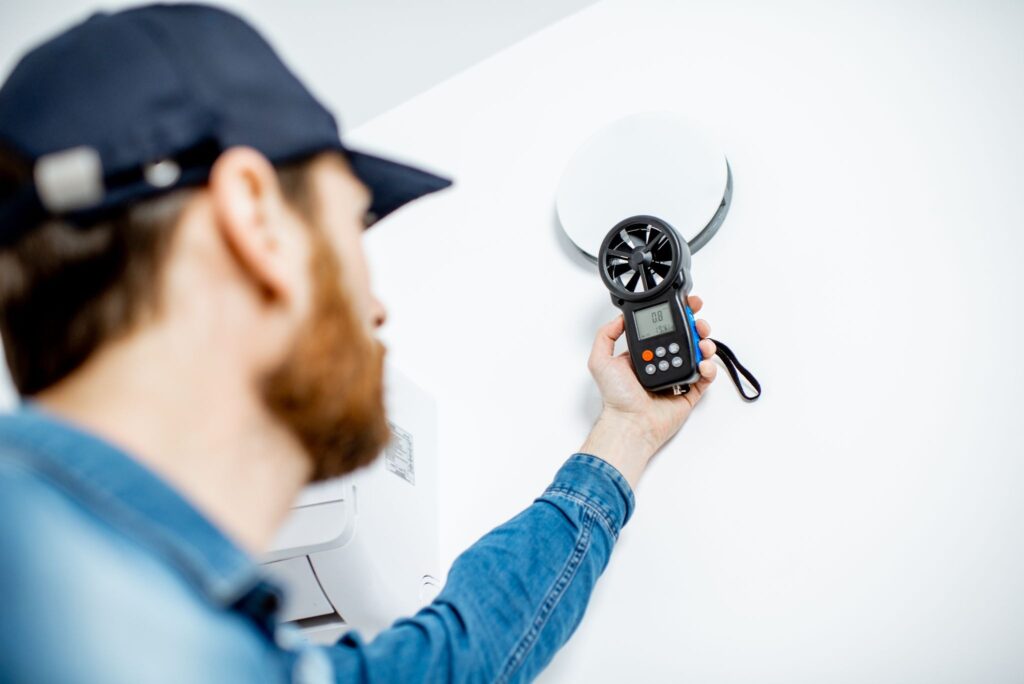
The air inside a property affects people long before visible problems appear. Many indoor contaminants go unnoticed because they are invisible or difficult to detect. Small air quality issues often grow into larger concerns that affect comfort, health, and operations. Professional air testing provides reliable information about conditions within a building. That knowledge helps homeowners and businesses make smarter decisions about their indoor environments.
Understanding Indoor Air Quality Testing
Indoor air contains a mixture of particles, gases, moisture, and biological materials. Some of these elements support healthy conditions, while others create concerns. Professional testing identifies what is present and measures its concentration. Accurate results provide a clearer picture of the environment inside a property.
What Are Indoor Air Quality Testing Services?
Indoor air quality testing services evaluate the air inside a building for contaminants and environmental concerns. Professionals use specialized equipment to measure pollutants, humidity levels, ventilation performance, and airborne particles. Testing may identify mold spores, volatile organic compounds, allergens, and other pollutants. The results help property owners understand indoor conditions and determine appropriate corrective actions.
What Professional Air Testing Measures
Professional testing examines several factors that influence indoor environmental quality. Specialists often measure airborne particles, humidity levels, and ventilation performance. They may also evaluate chemical pollutants and biological contaminants. These findings reveal conditions that remain hidden during routine inspections. Property owners gain objective information instead of relying on assumptions. Detailed reports help guide practical improvements based on actual conditions.
Why Hidden Pollutants Require Testing
Many indoor pollutants do not produce immediate warning signs. Contaminants can accumulate gradually while occupants remain unaware of changing conditions. People often adapt to poor air quality and overlook subtle symptoms. Testing uncovers problems that visual inspections frequently miss. Early detection supports faster corrective action and fewer long-term concerns. Reliable information reduces uncertainty when addressing indoor environmental issues.
How Testing Creates Actionable Solutions
Testing does more than identify pollutants within a building. Results help prioritize improvements based on severity and source location. Property owners can focus resources on the most important concerns first. This targeted approach avoids unnecessary spending on ineffective solutions. Professional recommendations often lead to better outcomes and lasting improvements. Clear direction helps move projects forward with confidence.
When Should You Schedule Indoor Air Quality Testing?
Indoor air testing becomes valuable when occupants notice unusual odors, recurring allergies, respiratory irritation, or excessive dust. Testing is also recommended after water damage, mold concerns, renovation projects, or HVAC issues. Businesses may conduct assessments as part of workplace health initiatives. Regular testing helps identify concerns before they develop into larger problems.
Key Benefits of Indoor Air Quality Testing
Professional air testing provides valuable insight into conditions that often go unnoticed. Property owners can identify hidden concerns before they affect occupants or building performance. Accurate findings support informed decisions and more effective solutions. The benefits below show why air quality testing services remain a smart investment for homes and businesses.
Healthier Indoor Environments for Occupants
People spend most of their daily lives inside homes, offices, and commercial buildings. Indoor environmental conditions influence comfort and overall well-being. Air quality testing helps identify factors that contribute to physical discomfort. Better information allows property owners to address health-related concerns more effectively.
Reducing Exposure to Airborne Irritants
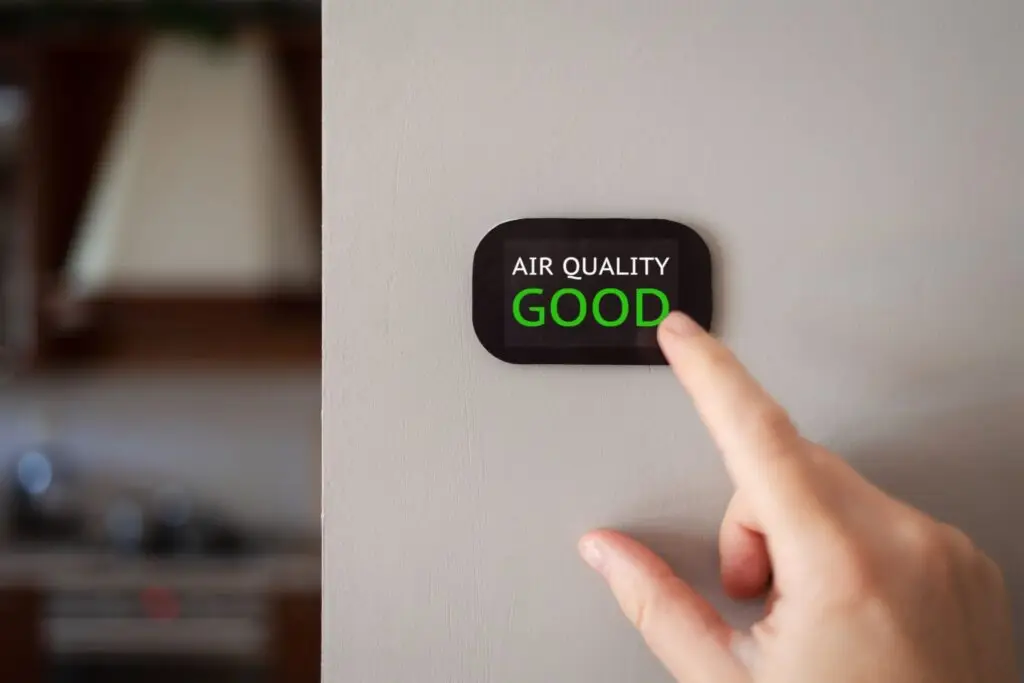
Dust, pollen, mold spores, and pet dander commonly circulate indoors. These particles can trigger allergies and respiratory discomfort. Professional testing identifies the types and concentrations of airborne irritants. Property owners can then implement solutions that target specific problems. Focused improvements often produce stronger results than general cleaning efforts. Occupants frequently notice greater comfort after corrective measures are completed.
Supporting Long-Term Wellness Indoors
Poor indoor air can contribute to recurring symptoms that disrupt daily routines. People may experience headaches, irritation, or fatigue without understanding the cause. Testing helps connect environmental conditions to potential air quality concerns. Businesses can create healthier workplaces through informed improvements. Owners gain valuable insight into conditions affecting their families. Better indoor environments support long-term comfort and wellness.
Creating Healthier Spaces for Sensitive Groups
Some individuals react more strongly to indoor pollutants than others. Children, older adults, and those with respiratory conditions often face greater challenges. Air testing helps identify environmental factors that may affect vulnerable occupants. Property owners can make adjustments based on measured results. Cleaner indoor conditions help support daily comfort and peace of mind. These improvements benefit everyone who uses the space.
Stronger Workplace Productivity and Performance
Business environments depend on conditions that support employee focus and efficiency. Air quality concerns can create distractions that affect daily performance. Testing helps organizations identify environmental issues that influence productivity. Reliable data supports practical improvements throughout the workplace.
Improving Focus and Mental Clarity
Employees perform better when indoor conditions remain comfortable and consistent. Poor air quality may contribute to headaches and concentration difficulties. Professional testing identifies environmental factors that may affect performance. Business owners gain a clearer understanding of workplace conditions. Corrective actions often support a stronger focus throughout the workday. Comfortable employees generally maintain higher productivity levels.
Enhancing Employee Satisfaction
Workplace comfort influences employee perceptions and overall job satisfaction. Unresolved air quality concerns can negatively affect morale over time. Testing demonstrates a commitment to maintaining healthy working conditions. Employees often appreciate visible efforts that support their well-being. Positive workplace experiences contribute to stronger retention rates. A healthier environment also reflects positively on company culture.
Supporting Customer and Visitor Comfort
Indoor air quality affects more than employees within a commercial property. Clients, customers, and visitors also experience the environment firsthand. Unpleasant odors or poor ventilation can create negative impressions. Testing helps businesses identify conditions that affect visitor experiences. Better air quality contributes to a more welcoming atmosphere. Positive experiences often support stronger customer relationships.
Earlier Detection of Mold and Moisture Issues
Moisture-related issues often develop quietly behind walls and ceilings. Small leaks can create favorable conditions for mold growth. Air quality testing helps identify warning signs before damage becomes visible. Early action reduces both financial and operational risks.

Finding Mold Before It Spreads
Mold releases microscopic spores that travel through indoor air. Visible growth often represents only part of the contamination. Professional testing identifies elevated spore levels, suggesting hidden problems. Property owners can investigate affected areas before conditions worsen. Early intervention limits additional spread and property damage. Prompt action often reduces remediation expenses.
Identifying Moisture Sources Accurately
Long-term solutions require identifying the source of excess moisture. Testing can reveal patterns linked to leaks, condensation, or ventilation issues. Property owners gain a clearer understanding of underlying conditions. Accurate information supports more effective repairs and prevention efforts. Addressing root causes helps reduce future air quality concerns. Lasting improvements become easier to achieve with reliable data.
Preventing Recurring Contamination Issues
Many mold problems return because the original cause remains unresolved. Testing helps verify that corrective measures have addressed underlying concerns. Property owners can confirm progress through measurable results. Follow-up assessments provide additional confidence after remediation work. This process helps maintain healthier indoor conditions over time. Consistent monitoring reduces the likelihood of repeated contamination.
Greater Protection for Property Investments
Buildings represent valuable assets that require ongoing attention and care. Indoor environmental conditions influence both property performance and market appeal. Air quality testing helps identify issues before they affect building value. Early intervention supports long-term investment protection.
Preventing Costly Structural Damage
Moisture and contamination can gradually affect building materials. Problems often expand when they remain unnoticed for extended periods. Testing identifies environmental conditions that contribute to deterioration. Property owners can address concerns before major repairs become necessary. Preventive measures typically cost less than large restoration projects. Maintaining healthier conditions supports the property’s overall integrity.
Strengthening Buyer and Tenant Confidence
Buyers and tenants often evaluate environmental conditions during property reviews. Professional air testing provides documentation that supports transparency. Property owners can address concerns before negotiations begin. This information demonstrates responsible building management and maintenance. Greater transparency often contributes to smoother transactions. Confidence increases when environmental conditions are properly documented.
More Efficient HVAC System Operation
Heating and cooling systems influence indoor air quality every day. Mechanical issues can affect both comfort and environmental conditions. Air testing helps identify concerns linked to ventilation and airflow. Better information supports smarter maintenance decisions.
Identifying Airflow and Ventilation Issues
Proper airflow helps maintain balanced indoor conditions throughout a building. Restricted ventilation can allow contaminants to accumulate indoors. Professional testing evaluates conditions that indicate airflow problems. Property owners gain insight into how air moves through occupied spaces. Corrective measures can improve circulation and occupant comfort. Better airflow supports healthier indoor environments.
Reducing Strain on Mechanical Systems
Indoor contaminants may indicate inefficiencies within HVAC operations. Poor environmental conditions can force systems to work harder. Testing helps identify factors contributing to unnecessary strain. Property owners can address issues before costs increase. Improved conditions often support more consistent system performance. Reduced strain may help extend equipment lifespan.
Supporting Energy Cost Management
Inefficient ventilation can increase energy consumption across a property. Testing helps identify conditions that affect system efficiency. Property owners gain useful information about potential operational improvements. Better airflow often contributes to more balanced system performance. Reducing waste can help lower monthly utility expenses. Long-term savings often follow informed maintenance decisions.
Stronger Compliance and Risk Management
Organizations often maintain standards for building conditions and occupant safety. Indoor air assessments provide measurable data to support those efforts. Professional testing helps evaluate concerns using objective data. Clear documentation strengthens planning and decision-making processes.
Supporting Workplace Health Policies
Many businesses maintain policies that address employee well-being. Air quality testing provides valuable information for those initiatives. Professional assessments help identify conditions requiring attention. Organizations can respond based on measurable findings rather than assumptions. This approach supports accountability and responsible facility management. Clear records strengthen communication with employees and stakeholders.
Reducing Liability Concerns
Indoor environmental complaints can create operational challenges for businesses. Testing provides evidence to evaluate reported concerns accurately. Property managers gain a better understanding of building conditions. Prompt investigations demonstrate responsible management practices. Documented findings support communication and dispute resolution efforts. Reliable information reduces uncertainty when addressing complaints.
Invest in Indoor Air Quality Testing Services
Indoor air problems rarely announce themselves before they create larger concerns. Air quality testing provides the facts needed to address issues early, protect property conditions, and support a healthier environment for everyone inside. Waiting often allows hidden contaminants and moisture-related problems to become more costly and disruptive. A professional assessment today can provide the clarity needed to make confident decisions tomorrow.
Every building has a story hidden behind its walls, systems, and air quality. Explore the Cardinal Plumbing blog for professional advice that helps you stay informed and prepared.