
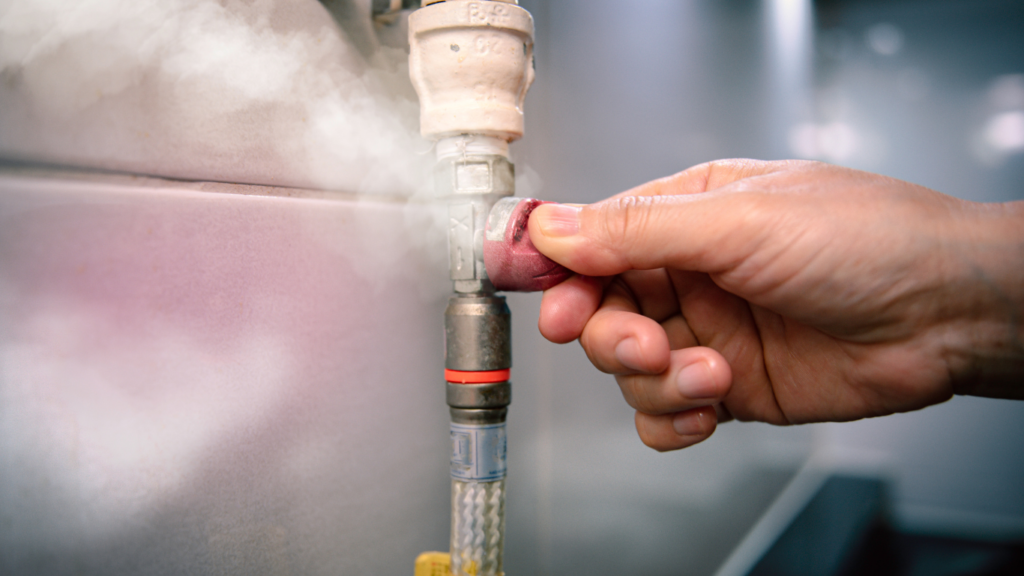
Gas systems play a critical role in many residential and commercial plumbing properties across Illinois. From powering furnaces and water heaters to supporting commercial kitchens, boilers, and manufacturing equipment, gas infrastructure must be designed, installed, and maintained with precision. At Cardinal Plumbing Co., we work with homeowners and business owners every day to ensure commercial gas systems installation are safe, efficient, and compliant with all applicable codes.
Commercial and gas systems are far more complex than standard residential gas lines. They operate under higher demand, serve multiple appliances, and require strict adherence to safety regulations. Understanding how commercial and gas systems work, how they are installed, and how to keep them safe is essential for protecting people, property, and business operations, to stay updated on these safety standards, make sure to follow us on our Facebook page.
Understanding Commercial Gas Systems Installation
Commercial and gas systems are designed to supply natural gas or propane to multiple appliances within a commercial or mixed-use property. These systems are engineered to handle higher volumes of gas, maintain stable pressure, and support continuous operation.
Gas systems commonly serve:
• Grease trap compliance commercial kitchens
• Office buildings
• Retail facilities
• Warehouses and industrial sites
• Multi-family residential buildings
• Healthcare and educational facilities
Because of their complexity, gas systems require specialized design and professional installation to ensure safety and performance.
Why Proper Installation of Commercial And Gas Systems Matters
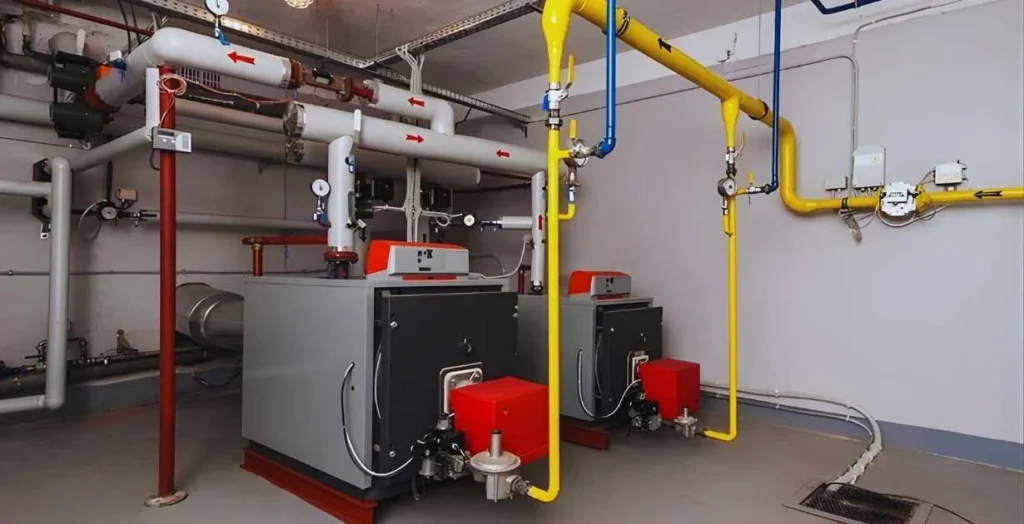
Improper installation of commercial and gas systems can lead to serious safety hazards, including gas leaks, fire risks, explosions, and carbon monoxide exposure. Beyond safety concerns, poor installation can result in inefficiencies, equipment damage, and regulatory violations.
Professional installation of gas systems ensures:
• Correct pipe repair sizing and routing
• Proper pressure regulation
• Secure appliance connections
• Code compliance
• Long-term system reliability
At Cardinal Plumbing Co., we emphasize that gas systems are not an area for shortcuts or unlicensed work.
Key Components of Commercial And Gas Systems
Understanding the components of commercial gas systems installation helps property owners appreciate why professional expertise is required.
Core components include:
• Gas meters and regulators
• Main gas lines
• Branch lines serving individual appliances
• Shutoff valves
• Pressure control devices
• Venting and exhaust systems
Each component must work together to maintain safe operation within gas systems.
Gas Line Sizing and Load Calculations
One of the most critical aspects of commercial and gas systems is proper sizing. Gas lines that are too small cannot supply sufficient fuel, while oversized lines can create pressure control challenges.
Load calculations for gas systems take into account:
• Number of appliances
• Total BTU demand
• Distance from the gas meter
• Appliance usage patterns
• Future expansion needs
Accurate sizing is essential for water heater safety features, efficiency, and performance.
Commercial Gas System Installation Process
Installing commercial and gas systems involves multiple stages and inspections. The process begins with planning and continues through final testing.
Typical installation steps include:
• Site assessment and system design
• Permit acquisition
• Gas line routing and installation
• Pressure testing
• Appliance connection
• Final inspection and approval
Each step ensures that gas systems meet safety and code requirements.
Permits and Code Compliance in Illinois
Illinois enforces strict regulations for commercial and gas systems. Permits and inspections are required to ensure public safety.
Compliance requirements often include:
• Local building codes
• State plumbing and gas codes
• Manufacturer specifications
• Utility provider standards
Failure to comply can result in fines, shutdowns, or denied occupancy permits. Cardinal Plumbing Co. ensures all gas systems are fully compliant before operation.
Safety Risks Associated With Commercial And Gas Systems
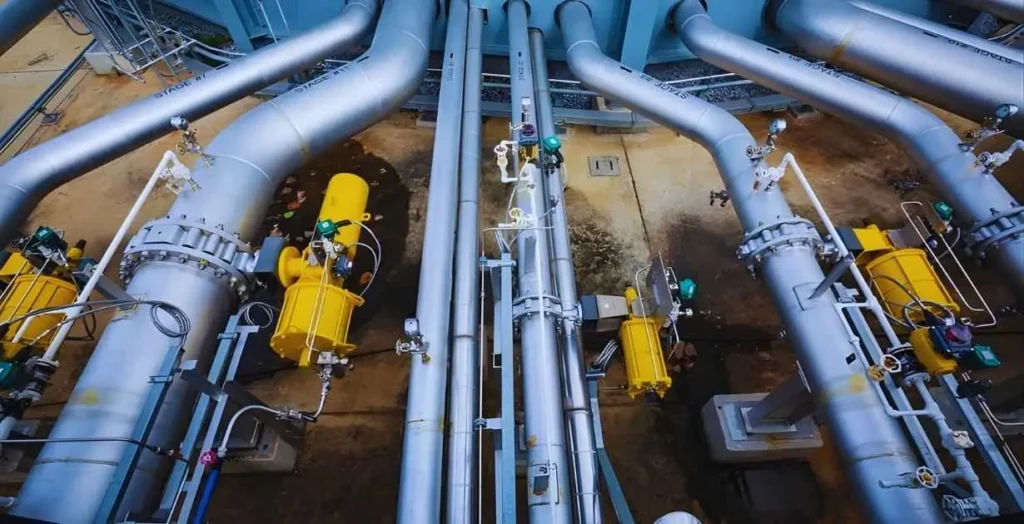
While gas is a reliable energy source, it must be handled carefully. Commercial and gas systems pose greater risks than residential systems due to their size and usage.
Potential risks include:
• Gas leaks
• Fire hazards
• Explosion risks
• Carbon monoxide exposure
• Equipment malfunction
Proper design, installation, and maintenance reduce these risks significantly.
Gas Leak Detection and Prevention
Detecting and preventing leaks is a critical part of managing gas systems. Even small leaks can become dangerous over time.
Leak prevention strategies include:
• Professional installation
• Secure fittings and connections
• Regular inspections
• Proper shutoff valve placement
• Monitoring pressure levels
If a gas odor is detected, immediate action is required.
Emergency Procedures for Gas Leaks
Every property with commercial gas systems installation should have an emergency response plan.
Recommended steps include:
• Evacuating the building immediately
• Avoiding open flames or electrical switches
• Shutting off gas supply if safe
• Contacting emergency services
• Calling a licensed gas professional
Preparedness is essential for minimizing risk.
Ventilation and Exhaust Requirements
Proper ventilation is vital for safe operation of commercial and gas systems. Combustion appliances produce exhaust gases that must be safely removed.
Ventilation considerations include:
• Proper vent sizing
• Adequate airflow
• Safe exhaust routing
• Compliance with appliance requirements
Poor ventilation can lead to dangerous carbon monoxide buildup.
Maintenance of Commercial And Gas Systems
Installation is only the beginning. Ongoing maintenance is critical for the safety and longevity of gas systems.
Routine maintenance includes:
• Visual inspections
• Pressure testing
• Leak detection
• Valve operation checks
• Appliance performance evaluation
Regular service reduces the likelihood of emergencies and extends system lifespan.
Benefits of Preventive Maintenance
Preventive maintenance offers significant advantages for gas systems.
Benefits include:
• Reduced safety risks
• Improved energy efficiency
• Fewer emergency repairs
• Longer equipment life
• Regulatory compliance
Proactive care is always more cost-effective than reactive repairs.
Commercial And Gas Systems in Restaurants
Restaurants rely heavily on gas systems for cooking, heating, and hot water. Any disruption can halt operations.
Restaurant-specific considerations include:
• High BTU appliances
• Continuous usage
• Grease exposure near gas lines
• Strict health and safety inspections
Professional installation and maintenance are essential for uninterrupted service.
Commercial And Gas Systems in Multi-Family Buildings
Multi-family properties require carefully designed gas systems to ensure consistent service across units.
Considerations include:
• Balanced pressure distribution
• Individual shutoff valves
• Shared appliance loads
• Tenant safety
Proper system design protects residents and property owners alike.
Upgrading or Expanding Commercial And Gas Systems
As businesses grow, gas demands often increase. Upgrading gas systems requires careful planning.
Upgrades may involve:
• Increasing pipe size
• Adding new branch lines
• Installing additional regulators
• Upgrading meters
All upgrades must meet current code requirements.
Common Mistakes to Avoid With Commercial And Gas Systems
Avoiding common mistakes is key to maintaining safe gas systems.
Common errors include:
• Using unlicensed installers
• Skipping permits
• Improper pipe sizing
• Neglecting maintenance
• Ignoring warning signs
Professional oversight prevents costly and dangerous mistakes.
Role of Professional Gas Plumbers
Licensed professionals play a critical role in the safety of commercial and gas systems.
Professional services include:
• System design
• Code compliance assurance
• Safe installation
• Ongoing maintenance
• Emergency response
Expertise is essential when working with gas infrastructure.
Insurance and Liability Considerations
Commercial gas systems installation can impact insurance coverage and liability. Improper installation or maintenance may void coverage.
Maintaining documentation for:
• Permits
• Inspections
• Maintenance records
Protects business owners from liability and disputes.
Training Staff on Gas Safety
Employees should be aware of basic gas safety practices.
Training topics include:
• Recognizing gas odors
• Emergency procedures
• Appliance shutoff locations
• Reporting issues promptly
Informed staff enhance overall safety.
Environmental and Efficiency Benefits
Well-maintained gas systems operate more efficiently and reduce environmental impact.
Efficiency benefits include:
• Lower energy consumption
• Reduced emissions
• Improved appliance performance
Efficiency supports sustainability goals and reduces costs.
Why Choose Cardinal Plumbing Co. for Commercial for Gas Systems
Cardinal Plumbing Co. has extensive experience designing, installing, and maintaining gas systems across Illinois.
Our services include:
• Licensed gas line installation
• Code-compliant system design
• Safety inspections
• Preventive maintenance plans
• Emergency service support
We prioritize safety, reliability, and customer confidence.
Long-Term Value of Proper Commercial For Gas Systems
Investing in professionally installed and maintained Commercial gas systems installation delivers long-term benefits.
These include:
• Enhanced safety
• Reduced operational costs
• Improved equipment lifespan
• Business continuity
Proper systems protect both people and property.
Final Thoughts on Commercial For Gas Systems
Commercial this gas systems are a vital part of many homes and businesses throughout Illinois. Their complexity demands careful planning, professional installation, and ongoing maintenance. When managed correctly, commercial and gas systems provide reliable energy while maintaining the highest safety standards.
For homeowners and business owners alike, understanding the importance of safe commercial and gas systems is essential. At Cardinal Plumbing Co., we are committed to delivering expert service, regulatory compliance, and peace of mind.
If you’re planning a new installation, upgrade, or inspection of commercial gas systems installation, contact Cardinal Plumbing Co. in Illinois today. Our experienced team is ready to help you protect your property and operate safely with confidence.
Frequently Asked Questions About Commercial Gas Systems Installation
What are the requirements for gas fitting installation?
Installation requires a licensed gas fitter, local permits, and adherence to safety codes. Materials like black iron or CSST must pass a professional pressure test and final inspection.
Do HVAC companies install gas lines?
Yes, many HVAC companies are licensed to install gas lines, particularly for furnaces and boilers. However, always verify they hold a specific gas-fitter’s license or endorsement beyond general mechanical work.
How is a gas service line installed?
Technicians map the route, install sized piping, and seal joints with gas-rated dope. The system is then air-pressure tested for leaks before being purged and connected to the meter.
What are the safety signs of a leak?
Watch for a rotten egg smell, hissing sounds near pipes, or dead patches of grass over buried lines. If these occur, evacuate immediately and contact your utility provider.
Can a homeowner install their own gas line?
In many areas, homeowners can pull a permit for their primary residence. However, you must perform all work yourself to code and pass a professional inspection before activation.