
For restaurants, food service establishments, and many commercial drain maintenance guide Illinois, grease traps are not optional they are a critical part of plumbing infrastructure and regulatory compliance. Yet grease trap requirements are often misunderstood, overlooked, or improperly maintained. At Cardinal Plumbing Co., we regularly assist business owners who face plumbing backups, health code violations, or fines simply because grease trap compliance was not fully understood or properly managed.
Grease traps play a vital role in protecting plumbing systems, municipal sewer lines, and the environment. Understanding trap compliance is essential for business owners who want to avoid costly repairs, operational shutdowns, and legal issues. This guide explains what grease traps are, why grease trap cleaning requirements matters, and how Illinois businesses can meet requirements efficiently and responsibly; for more information, to follow us check out our Facebook page.
What Is a Grease Trap and Why It Exists
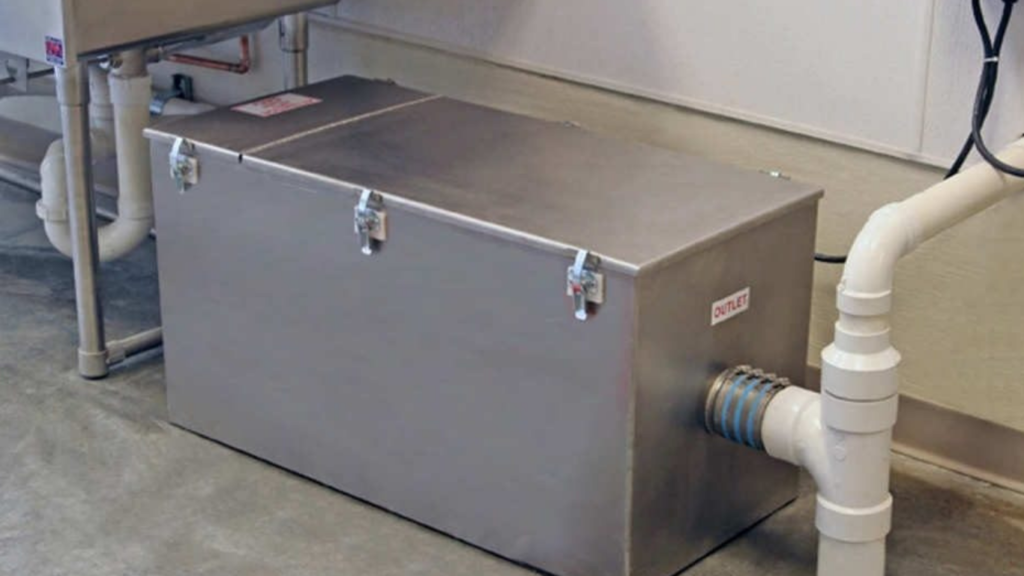
A grease trap, sometimes called a grease interceptor, is a plumbing device designed to capture fats, oils, and grease before they enter the wastewater system. In commercial kitchens, grease is produced daily through cooking, dishwashing, and food preparation. Without a grease trap, these substances would flow directly into sewer maintenance tips where they harden, restrict flow, and cause serious blockages.
Grease trap cleaning requirements exists to prevent these issues. Municipal sewer systems are not designed to handle high volumes of grease, and grease-related backups can affect entire neighborhoods. Proper compliance protects both private plumbing systems and public infrastructure.
Businesses commonly required to follow trap compliance regulations include:
• Restaurants and cafes
•Commercial kitchens
• Bakeries
• Hotels
• Hospitals
• Schools
• Grocery stores with food prep areas
Even some residential properties with shared kitchens may be subject to compliance requirements depending on local ordinances.
Why Grease Trap Compliance Matters in Illinois
Illinois municipalities enforce grease trap cleaning requirements to reduce sewer blockages, environmental contamination, and emergency plumbing events. Non-compliance can lead to fines, citations, shutdowns, or forced plumbing upgrades.
At Cardinal Plumbing Co., we’ve seen compliance issues cause:
• Sewage backups into kitchens
• Flooded floors and equipment damage
• Health department violations
• Foul odors affecting customers
• Expensive emergency plumbing repairs
Understanding Local Grease Trap Cleaning Requirements Regulations
Grease trap cleaning requirements requirements vary by city, county, and wastewater authority across Illinois. While specific rules differ, most regulations address the same core areas.
Common compliance regulations include:
• Mandatory grease trap installation for food service businesses
• Minimum grease trap size based on kitchen output
• Routine cleaning and pumping schedules
• Recordkeeping and documentation
• Approved disposal methods
• Inspections by health or water authorities
Types of Grease Traps Used for Compliance
Choosing the correct grease trap is essential for compliance. The size and type must match the volume of grease produced.
The two most common systems used for grease trap compliance commercial kitchen.
• Passive grease traps, typically installed under sinks
• Grease interceptors, larger systems installed underground or outside buildings
Passive grease traps are often used in small kitchens, while grease interceptors are required for higher-volume operations. Cardinal Plumbing Co. helps Illinois businesses select systems that meet compliance standards without overengineering or underestimating needs.
Grease Trap Sizing and Compliance Requirements
One of the most common grease trap cleaning requirements mistakes is improper sizing. A grease trap that is too small fills quickly, allowing grease to bypass the system.
Sizing for compliance typically considers:
• Number of sinks
• Type of food prepared
• Dishwasher output
• Peak usage times
• Total gallons per minute
Installation Standards for Grease Trap Cleaning Requirements
Proper installation is just as important as the grease trap itself. Even the best system will fail grease trap cleaning requirements standards if installed incorrectly.
Installation-related grease trap cleaning requirements requirements include:
• Correct placement in the plumbing system
• Proper venting
• Accessible cleanout ports
• Approved materials and fittings
• Compliance with local plumbing codes
Grease Trap Maintenance and Pumping Requirements
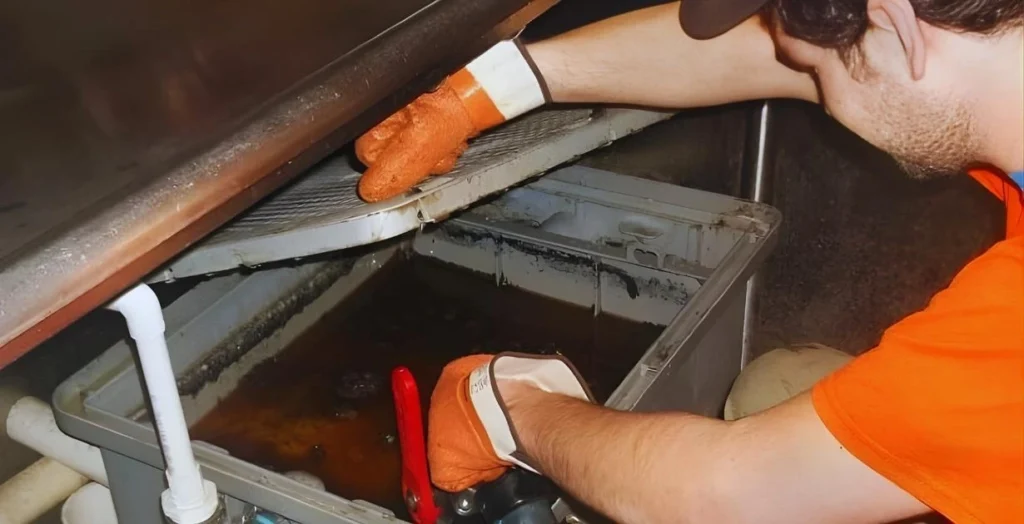
Maintenance is the core of grease trap cleaning requirements. Even a properly installed system will violate regulations if it is not cleaned on schedule.
Most compliance regulations require:
• Routine pumping based on usage
• Cleaning before grease exceeds 25% capacity
• No use of chemical grease dissolvers as substitutes
• Proper disposal of waste
Recordkeeping and Documentation for Grease Trap Cleaning Requirements
Many Illinois about municipalities require businesses to maintain grease trap cleaning requirements records. These records may be requested during inspections or audits.
Required grease trap compliance documentation often includes:
• Pumping and cleaning logs
• Service provider invoices
• Disposal records
• Maintenance schedules
Grease Trap Cleaning Requirements Inspections
Health departments and wastewater authorities conduct inspections to enforce compliance. These inspections may be scheduled or unannounced.
Inspectors typically check:
• Grease trap condition
• Maintenance records
• Signs of grease bypass
• Odors or backups
• Proper disposal methods
Common Grease Trap Cleaning Requirements Violations
Through years of service, Cardinal Plumbing Co. has identified the most frequent compliance issues.
These include:
• Skipping scheduled pumping
• Improper disposal of grease
• Using enzymes or chemicals incorrectly
• Installing undersized traps
• Poor access for inspection
• Missing documentation
Environmental Impact of Grease Trap Cleaning Requirements
Grease trap cleaning requirements also protects the environment. Grease entering sewer systems can contaminate waterways, damage treatment plants, and increase pollution.
Proper compliance:
• Reduces sewer overflows
• Protects local water sources
• Supports wastewater treatment efficiency
• Prevents environmental fines
Grease Trap Cleaning Requirements for New vs. Existing Businesses
New businesses must meet grease trap compliance requirements before opening. Existing businesses must maintain compliance throughout operations.
For new businesses, compliance involves:
• Plan review and approval
• Proper system selection
• Inspection before occupancy
For existing businesses, compliance focuses on:
• Ongoing maintenance
• System upgrades if usage changes
• Documentation and inspections
Emergency Plumbing Risks from Non-Compliance
Failing to meet compliance significantly increases the risk of plumbing emergencies.
Common emergency scenarios include:
• Sudden drain backups
• Sewer overflows during peak hours
• Equipment damage
• Business closures
Grease Trap Cleaning Requirements and Employee Training
Staff behavior directly affects compliance. Improper disposal habits can overwhelm even the best systems.
Training supports compliance by teaching employees to:
• Scrape food waste into trash
• Avoid pouring grease down drains
• Use strainers properly
• Report slow drains early
Grease Trap Cleaning Requirements for Mixed-Use Properties
Some properties include both residential and commercial spaces. In these cases, compliance is especially important to prevent cross-impact.
Shared plumbing systems require:
• Larger capacity systems
• More frequent maintenance
• Clear responsibility for compliance
How Professional Plumbing Services Support Grease Trap Cleaning Requirements
Professional plumbers play a critical role in compliance. At Cardinal Plumbing Co., we provide end-to-end support.
Our compliance services include:
• System assessment
• Installation and upgrades
• Scheduled pumping coordination
• Compliance documentation
• Inspection preparation
Cost Benefits of Staying in Grease Trap Cleaning Requirements
While some business owners view grease trap cleaning requirements as an expense, it is far more cost-effective than non-compliance.
Staying compliant reduces:
• Emergency repair costs
• Fines and penalties
• Business interruptions
• Equipment replacement
Technology and Modern Grease Trap Cleaning Requirements Solutions
Modern solutions are making grease trap cleaning requirements easier.
Advancements include:
• Monitoring sensors
• Improved interceptor designs
• Eco-friendly maintenance products
• Digital maintenance logs
Why Choose Cardinal Plumbing Co. for Grease Trap Cleaning Requirements
Cardinal Plumbing Co. understands Illinois regulations, commercial plumbing systems, and the real-world challenges business owners face.
We provide:
• Local compliance expertise
• Reliable commercial service
• Preventive maintenance planning
• Emergency response support
• Long-term compliance strategies
Final Thoughts on Grease Trap Cleaning Requirements
Grease trap compliance is essential for protecting plumbing systems, public infrastructure, and business operations. Understanding requirements, maintaining systems properly, and working with experienced professionals ensures long-term success.
For Illinois homeowners and business owners alike, compliance is not just about meeting regulations it’s about preventing costly emergencies, protecting the environment, and maintaining a professional operation.
If you need help with grease trap cleaning requirements, contact us today Cardinal Plumbing Co. in Illinois is ready to assist. Our experienced team will ensure your system meets all requirements and stays compliant year-round.
Frequently asked Questions About Grease Trap Compliance
How often does a grease trap need to be serviced?
Most Illinois municipalities require cleaning every 30 to 90 days. The “25% Rule” is the standard; if grease and solids occupy a quarter of the tank, it needs pumping.
How do you know when a grease trap needs cleaning?
Red flags include slow drainage, foul odors in the kitchen, or visible grease cap thickening. Frequent backups or gurgling sounds in the pipes also indicate the interceptor is reaching capacity.
Who is responsible for grease trap maintenance?
Typically, the business owner or operator is legally responsible for maintenance, cleaning, and record-keeping. In some lease agreements, responsibilities may shift, but health departments hold the permit holder accountable.
What is the preventive maintenance of a grease trap?
Effective maintenance includes daily food solid removal, regular professional pumping, and inspecting baffles for damage. Training staff to “scrape before washing” significantly reduces the frequency of required professional cleanings.
Are grease traps required by law?
Yes. Federal and local Illinois codes require food service establishments to install and maintain grease traps. Failure to comply can result in heavy fines, citations, or immediate business closure.