
Normal Range: $200 – $800+
Let’s be honest: nobody thinks about their sewer line until something goes wrong. But when you hear that ominous gurgle in the toilet or see water backing up in the shower, panic sets in. The first question on your mind is almost always: How much is this going to cost me?
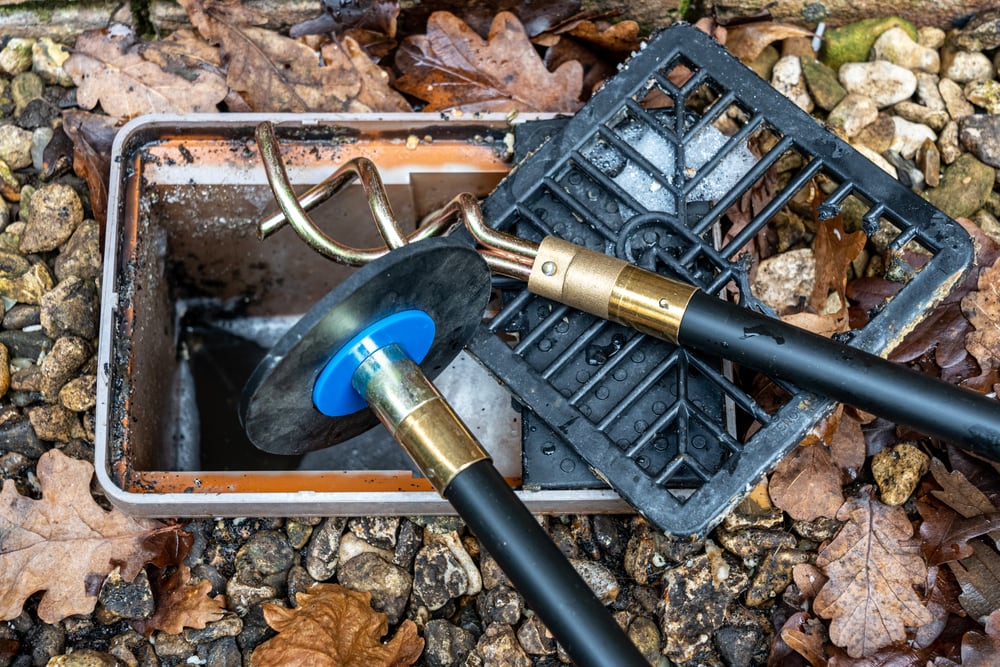
Sewer rodding is the standard method for fixing these main line blockages. It uses a heavy-duty cable with sharp blades to cut through tree roots, grease, and debris. But finding reliable information on residential sewer rodding cost can be tricky.
Is it expensive? Let’s break down the prices, check if insurance covers it, and compare methods so you don’t overpay.
What You Will Pay to Rod a Sewer Line
Nationally, the pricing for clearing a main sewer line can vary widely based on the complexity of the clog. According to 2026 data from Angi, standard residential drain cleaning averages around $242. However, when dealing specifically with a heavy-duty main sewage line blockage, costs typically range from $100 up to $800.
In the Edwardsville, IL area, standard sewer rodding generally falls into these three categories:
- Basic Main Line Rodding (Lower End): This assumes your home has an easily accessible exterior or basement cleanout, and the clog is standard (like excess paper products or soft blockages).
- Complex Rodding (Middle to High End): Costs increase if the technician has to pull a toilet to access the line, navigate a tight crawlspace, or use specialized cutting blades to chop through thick, invasive tree roots.
- Emergency Services (Variable): If raw sewage is flooding your basement at 2 AM on a Sunday, expect an additional dispatch or after-hours emergency fee.
(Note: At Cardinal Plumbing, we always provide a firm, upfront quote before any work begins so you are never caught off guard.)
Factors That Affect Your Sewer Rodding Price
Why is there such a wide price range? Because every plumbing system and every clog is unique. Here is exactly what our technicians evaluate when calculating your quote:
Cleanout Accessibility:
If your main sewer cleanout is easily accessible in your yard, the job is fast and straightforward. If we have to dismantle plumbing fixtures to reach the pipe, the labor costs naturally increase.
Distance to the Clog:
A clog 10 feet into the pipe requires significantly less time and cable to clear than a blockage 80 feet out near the municipal city tap.
The Severity of the Blockage:
Simple clogs caused by “flushable” wipes can be pushed through relatively quickly. However, according to a report by the USDA Forest Service, tree roots are responsible for more than 50% of all sewer blockages. Once inside the warm, nutrient-rich pipe, roots grow thicker each year, requiring heavy-duty equipment to cut through.
Video Camera Inspections:
Often, a plumber will recommend a video pipe inspection before or after rodding to verify the clog is completely gone or to check for a collapsed pipe. This is a vital diagnostic step but usually adds to the initial service cost.
5 Early Warning Signs You Need Your Sewer Line Rodded

The best way to save money on plumbing is to catch the problem early. Call a professional if you notice these warning signs:
Multiple Slow Drains:
If your kitchen sink, bathroom sink, and shower are all draining slowly at the same time, the issue is deep in your main line.
Gurgling Noises:
Hearing a “glug-glug” sound from your toilet when the washing machine drains means air is trapped by a blockage.
Water Backing Up in Strange Places:
If flushing the toilet causes water to bubble up in your shower drain, your main line is blocked.
Foul Odors:
The smell of raw sewage in your basement or yard is a clear indicator of a cracked or clogged main line.
Suspiciously Lush Grass:
Tree roots love the nutrients in sewage. If one patch of your lawn is aggressively green and growing faster than the rest, roots may have breached your pipe.
Rodding vs Hydro Jetting: Which Do You Need?
When researching solutions for a backed-up sewer line, you will likely see both rodding (snaking) and hydro jetting mentioned. While snaking is usually cheaper upfront, calculating the true long-term cost requires looking at how long each method actually keeps your pipes clear.
| Cleaning Method | Average 2026 Upfront Cost | How It Works | Expected Lifespan & Results | Best Used For |
| Sewer Rodding (Snaking) | $150 – $300 per service call. | Uses a motorized steel cable with a cutting blade to punch a hole directly through clogs. | 3 to 6 months for heavy buildup. It provides temporary flow but leaves grease and residue on pipe walls where new clogs quickly form. | First-time clogs, physical blockages (like flushable wipes), and older, fragile pipes. |
| Hydro Jetting | $350 – $600+ per service call. | Uses highly pressurized water to scrub the entire inside diameter of the pipes. | 2 to 3 years. It restores the pipe to its original diameter by completely removing grease, scale, and sludge. | Severe tree root intrusions, heavy grease buildup, and clogs that keep returning year after year. |
For more details on high-pressure cleaning, check our Hydro Jetting Services.
The Importance of Regular Sewer Maintenance
Routine maintenance is one of the best ways to reduce overall home maintenance costs and avoid disruptive emergencies. Sewer systems are constantly handling wastewater, food particles, soap, and debris. Without intervention, buildup is inevitable. Over time, this leads to clogs and even line failure.
Investing in sewer line maintenance such as scheduled rodding every 18–24 months is far less expensive than dealing with the aftermath of a backup. Cleanup costs from a flooded basement often exceed $5,000. By contrast, spending a few hundred dollars for preventive care avoids both financial loss and stress.
Scheduled rodding also supports insurance claims, as many policies exclude damage caused by neglect. Documenting regular drain cleaning service proves due diligence and protects homeowners if a claim must be filed.
For landlords or property managers, routine maintenance also reduces tenant complaints, improves retention, and simplifies financial forecasting. Bundling services such as inspections, clogged drain solutions, and emergency coverage creates predictable spending while keeping sewer systems functional.
DIY vs Professional Sewer Rodding
Many homeowners consider renting a machine to save money, but the risks often outweigh the savings. Here is a side-by-side comparison:
| Feature | DIY (Machine Rental) | Professional Service |
| Average Cost | $75 – $150 per day | $300 – $600 flat rate |
| Equipment Power | Basic rental units (often weak/worn) | Industrial-grade augers with cutter heads |
| Safety Risk | High: Cables under tension can recoil and cause injury. | None: Performed by insured, trained technicians. |
| Risk to Pipes | High: Can crack clay pipes or punch through PVC. | Low: Pros use cameras to see pipe condition first. |
| Effectiveness | Often punches a small hole (temporary fix). | Fully cuts roots wall-to-wall (long-term fix). |
| Warranty | None. If it clogs again tomorrow, you pay again. | Service Warranty typically included. |
The Verdict: While DIY saves money upfront, a single mistake like cracking a clay sewer pipe can turn a $100 rental into a $5,000+ excavation repair. For main sewer lines, professional service is the safer financial choice.
Finding Affordable Sewer Rodding Services
When comparing quotes, you might wonder about the roto-rooter sewer line cleaning cost versus a local plumber. National franchises often have higher flat rates to cover their massive overhead.
Local experts like Cardinal Plumbing often provide more personalized service and transparent pricing. When searching for “sewer rodding near me,” look for companies with high ratings and warranties on their work.
Frequently Asked Questions (FAQs)
What’s the average cost to unclog a sewer line?
The typical cost ranges from $300 to $600 for a professional rodding service. Simple clogs with easy access are cheaper, while difficult clogs requiring toilet removal cost more.
How long does sewer rodding take?
Most standard cleanings take 1 to 2 hours. If there are severe root intrusions or broken pipes, it may take longer.
Who pays if drains are blocked?
If the blockage is within your property boundaries (the sewer lateral), the homeowner pays. If the blockage is in the municipal main street line, the city pays (though you often have to prove the location first).
What is the average lifespan of a sewer line?
Clay pipes can last 50-60 years, while modern PVC pipes can last 100 years. If your home was built before 1980, you should have your lines inspected.
How much does sewer rodding cost?
The average cost for sewer rodding is $200 to $500 for a main sewer line. For smaller secondary lines, such as a kitchen sink or bathtub, the cost is typically lower, ranging from $125 to $250.
Call Cardinal Plumbing for Honest Pricing
When you need professional sewer cleaning, Cardinal Plumbing delivers trusted, transparent solutions. Whether it’s a routine cleanout or Emergency Plumbing, we provide honest upfront pricing.Don’t wait for a backup. Contact Us Today to get a quote and keep your plumbing running smoothly.