
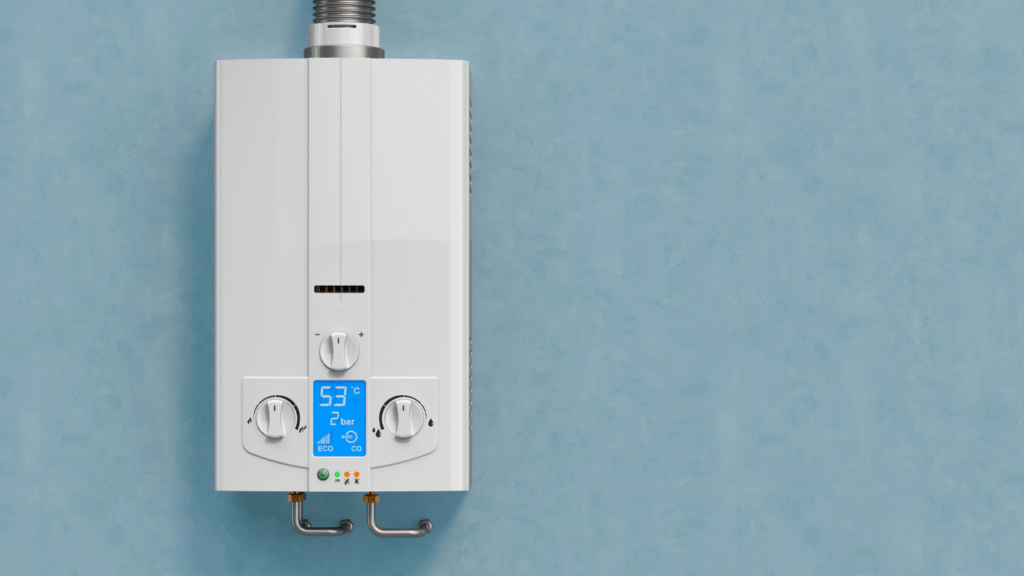
Few plumbing appliances work harder than your water heater. Whether it’s a hot shower on a cold Illinois morning, running the dishwasher, or providing warm water for your business operations, you depend on it daily. Yet, like all mechanical systems, water heaters eventually reach the end of their lifespan. Understanding water heater replacement timing is critical to avoid sudden breakdowns, costly repairs, and water damage.
At Cardinal Plumbing Co., we’ve helped countless Illinois homeowners and business owners with water heater decisions. In this guide, we’ll explore how to recognize when it’s time for replacement, the risks of waiting too long, and the benefits of upgrading at the right moment.
Why Water Heater Replacement Timing Matters
Your water heater won’t last forever. Most units perform reliably for 8–12 years, depending on maintenance, water quality, and usage. If you ignore proper water heater replacement timing, you could end up with:
- Leaks that damage your property.
- Rising energy bills due to inefficiency.
- Cold showers or unreliable hot water.
- Emergency replacement costs at the worst possible moment.
Proactive water heater replacement timing allows you to plan your budget, choose the right model, and ensure minimal disruption to your home or business.
Signs It’s Time to Replace Your Water Heater
Recognizing the warning signs of aging equipment helps you stay ahead of costly failures. Below are the most common indicators that water heater replacement timing is approaching.
1. Age of the Unit
If your water heater is more than 10 years old, replacement should be on your radar. Even well-maintained units lose efficiency and reliability over time. Checking the serial number can help you confirm the exact age and plan for the right water heater replacement timing.
2. Inconsistent Hot Water
Do you notice your water fluctuates between hot and lukewarm? Inconsistent performance often signals sediment buildup or a failing heating element—both signs that water heater replacement timing may be near.
3. Leaks or Moisture Around the Tank
Water pooling around your heater is a red flag. Tanks corrode over time, and once they begin leaking, repairs are rarely effective. Immediate replacement is often the safest option when evaluating water heater replacement timing.
4. Strange Noises
Popping, banging, or rumbling sounds come from sediment buildup inside the tank. While flushing can help, recurring noises suggest it’s time to plan your water heater replacement timing.
5. Rust-Colored Water
If your hot water looks rusty, it could indicate corrosion inside the tank. This is a clear signal that water heater replacement timing should not be delayed.
6. Rising Utility Bills
Older heaters require more energy to heat water effectively. A steady increase in gas or electric bills can indicate it’s time to reevaluate water heater replacement timing.
Residential vs. Commercial Water Heater Replacement Timing
For Homeowners
Families rely on consistent hot water for comfort. Planning the right water heater replacement timing prevents disruptive cold showers and unexpected breakdowns during Illinois winters.
For Business Owners
Restaurants, salons, gyms, healthcare facilities, and other businesses depend on hot water for daily operations. Delayed water heater replacement timing can interrupt service, damage your reputation, and even lead to compliance issues.
Seasonal Considerations for Water Heater Replacement Timing
Illinois weather plays a role in the ideal timing for replacement.
- Winter: Cold weather increases hot water demand, making winter failures particularly inconvenient.
- Spring: A great season for proactive upgrades, since demand is moderate and installation schedules are more flexible.
- Summer: High humidity may stress older heaters, making it another good period to consider water heater replacement timing.
- Fall: Preparing before winter ensures your family or business isn’t caught off guard during peak hot water needs.
The Costs of Delaying Replacement
Ignoring water heater replacement timing may seem like a way to save money, but it often leads to bigger expenses:
- Emergency installation costs.
- Property damage from leaks.
- Higher monthly utility bills.
- Loss of business revenue during downtime.
By planning for replacement in advance, you can budget smartly and avoid financial surprises.
Benefits of Timely Water Heater Replacement
When you get water heater replacement timing right, you enjoy:
- Improved efficiency: Modern units use less energy.
- Consistent hot water: No more temperature swings.
- Peace of mind: Reduced risk of unexpected breakdowns.
- Enhanced property value: Updated systems are appealing to buyers.
- Cost savings: Lower monthly bills and fewer repair calls.
Choosing the Right Water Heater for Replacement
When planning water heater replacement timing, it’s also the perfect opportunity to evaluate your options.
Tank vs. Tankless
- Tank models: Store heated water, lower upfront cost.
- Tankless models: Heat water on demand, higher efficiency, longer lifespan.
Fuel Source
- Gas water heaters: Faster heating and lower operating cost.
- Electric water heaters: Easier installation and less maintenance.
Size and Capacity
Your household or business size determines the best unit. Choosing the right model ensures your water heater replacement timing results in long-term satisfaction.
Steps to Plan for Water Heater Replacement Timing
- Check your current unit’s age: Know where you are in the lifecycle.
- Schedule an inspection: A licensed plumber can confirm whether repairs or replacement are best.
- Evaluate your hot water needs: Consider whether your household or business has outgrown the current system.
- Compare energy efficiency ratings: Modern units may significantly reduce costs.
- Plan your budget: Timely replacement allows for financial planning instead of emergency expenses.
Common Myths About Water Heater Replacement Timing
- “I’ll wait until it breaks.” Waiting leads to water damage and inconvenience.
- “Repairs are always cheaper.” After a certain point, repairs become a money drain.
- “All water heaters last the same time.” Lifespan varies based on quality, usage, and maintenance.
Understanding these myths helps Illinois property owners make smarter choices about water heater replacement timing.
Maintenance and Extending the Life of Your Water Heater
While all units eventually need replacement, good maintenance can maximize lifespan and give you more control over water heater replacement timing.
- Flush your tank annually to remove sediment.
- Test the pressure relief valve.
- Check the anode rod every few years.
- Schedule professional inspections.
The Role of Professional Guidance
Deciding the right water heater replacement timing isn’t always obvious. At Cardinal Plumbing Co., our licensed plumbers provide honest assessments based on age, condition, and usage. We help homeowners and businesses in Illinois avoid emergencies and find the best system for long-term value.
Why Work with Cardinal Plumbing Co.?
When it comes to water heater replacement timing, choosing the right partner is just as important as choosing the right unit. Cardinal Plumbing Co. offers:
- Experienced local technicians.
- Honest recommendations.
- Emergency and scheduled services.
- Knowledge of Illinois plumbing codes.
- Customer-first service for both homes and businesses.
Conclusion
Your water heater plays an essential role in your daily life, whether at home or at work. Understanding water heater replacement timing ensures you avoid costly emergencies, improve efficiency, and maintain comfort. By watching for warning signs, planning ahead, and working with trusted professionals, you can upgrade your system at the right time.
At Cardinal Plumbing Co., we’re here to guide Illinois homeowners and business owners every step of the way. From inspections to installations, we’ll help you make confident decisions about water heater replacement timing.
Call to Action
Don’t wait for a breakdown to disrupt your life or business. Contact Cardinal Plumbing Co. today to schedule a professional inspection and discuss your options for timely water heater replacement.