
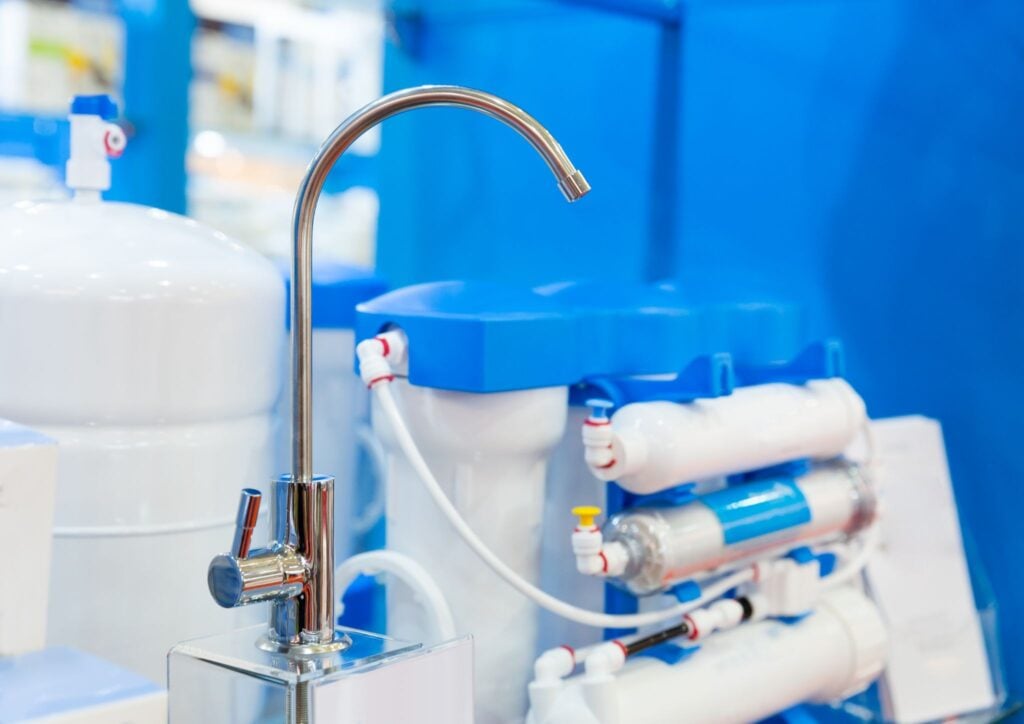
Clean water affects more than taste. It influences daily comfort, equipment performance, and long-term operating costs. Many residential and commercial property owners face concerns about contaminants, odors, and mineral buildup in their water supply. Standard filtration methods can address some issues, yet many dissolved impurities remain behind. Reverse osmosis systems offer a more advanced approach to producing cleaner, better-tasting water for a wide range of applications.
Understanding the Reverse Osmosis System
Many people hear about reverse osmosis without fully understanding how it works. The technology has become a trusted solution for drinking water treatment. Homes and businesses use these systems to improve water quality and reduce unwanted contaminants. Understanding the basic concept provides a foundation for evaluating its benefits and applications.
What’s a Reverse Osmosis System?
A reverse osmosis system is a water filtration system that uses pressure and a semi-permeable membrane to remove dissolved contaminants from water. The process removes many impurities from the water supply before it reaches the point of use. These contaminants may include dissolved solids, chemicals, heavy metals, and other unwanted substances. Most systems also include sediment and carbon filters to support the treatment process. The result is cleaner water with improved taste, odor, and overall quality.
Why Reverse Osmosis is Different
Traditional filters often target larger particles and certain chemical compounds. Reverse osmosis removes many dissolved substances that standard filters cannot capture effectively. The membrane works at a microscopic level to separate contaminants from water molecules. This capability allows the system to reduce a wider range of impurities. Many property owners choose reverse osmosis for its comprehensive filtration. This advanced process helps address several water quality concerns simultaneously.
A Closer Look at Reverse Osmosis Technology
Water treatment systems use different methods to improve water quality. Reverse osmosis relies on a unique filtration process that separates contaminants at the molecular level. Several components work together to produce consistent results. Learning how the technology functions helps explain its popularity across many industries.
How the Filtration Process Works
Water passes through multiple treatment stages before reaching the membrane. A sediment filter captures dirt, rust, and suspended particles first. Carbon filters then reduce chlorine and compounds that affect taste and odor. The membrane removes many dissolved contaminants that remain in the water. Treated water enters a storage tank until needed. A final polishing filter often improves taste before dispensing.
What Makes the Membrane Effective
The membrane serves as the primary filtration barrier within the system. Its microscopic pores allow water molecules to pass while blocking many impurities. This design targets dissolved contaminants that conventional filters often miss. Many systems reduce lead, arsenic, fluoride, nitrates, and other unwanted substances. Membrane performance depends on proper maintenance and operating conditions. This component largely determines the overall effectiveness of the system.
Why Pressure is Essential in Reverse Osmosis
Pressure drives the entire reverse osmosis process from beginning to end. The system applies force to move water through the semi-permeable membrane. Without sufficient pressure, filtration performance can decline significantly. Proper pressure supports effective contaminant separation and consistent water production. Many modern systems include components that help maintain stable operation. This operating condition directly affects water quality and system efficiency.
The Main Components of an RO System
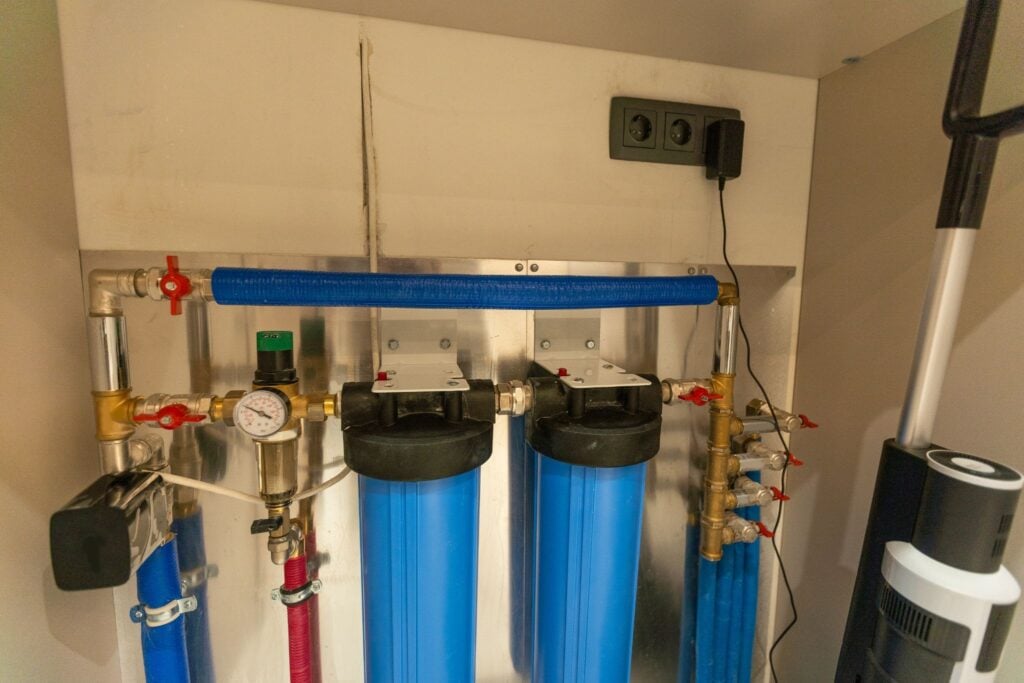
Each part of a reverse osmosis system performs a specific function. The components work together to produce cleaner and more reliable drinking water. Understanding these parts helps users maintain their equipment properly. Familiarity with the system also supports better purchasing decisions.
Pre-Filters and Carbon Filtration
Pre-filters protect sensitive components from sediment and debris. These filters remove larger particles before water reaches the membrane. Carbon filtration reduces chlorine and many organic compounds found in water supplies. Lower chlorine levels help extend membrane lifespan and support better performance. Regular filter replacement helps maintain water quality standards. This maintenance step protects the entire filtration system.
Storage Tanks and Final Filters
Most reverse osmosis systems store treated water in a dedicated tank. This storage design provides convenient access to filtered water throughout the day. A post-filter typically treats the water one final time before dispensing. The final stage helps improve taste and overall drinking quality. Consistent storage capacity supports everyday residential and commercial use. This arrangement allows users to access filtered water when needed.
Contaminants Reverse Osmosis Can Remove
Water can contain contaminants that affect safety, taste, and appearance. Some impurities occur naturally, while others enter through environmental or infrastructure sources. Reverse osmosis addresses many of these concerns through advanced filtration. Understanding removal capabilities helps determine whether the technology matches specific water treatment goals.
Dissolved Solids and Mineral Reduction
Water often contains total dissolved solids, commonly called TDS. These dissolved minerals can affect taste and contribute to scaling. Reverse osmosis significantly reduces many dissolved substances found in water supplies. Lower TDS levels often produce cleaner-tasting drinking water. Reduced mineral content may also decrease residue on fixtures and equipment. This benefit appeals to both homeowners and business operators.
Heavy Metals and Chemical Contaminants
Many water sources contain contaminants that raise health and quality concerns. Reverse osmosis systems commonly reduce lead, arsenic, chromium, and similar substances. Carbon filtration stages may also help address volatile organic compounds (VOCs). These contaminants can affect water quality and user confidence. Filtration performance varies according to system design and incoming water conditions. Water testing helps identify the specific contaminants present.
Addressing Microorganisms and Water Quality
Water quality concerns sometimes involve microscopic contaminants and biological risks. Reverse osmosis membranes can effectively reduce many small impurities. Additional treatment technologies may complement the filtration process when necessary. Water testing provides valuable insight into specific treatment requirements. Combining filtration methods can create a broader water quality strategy. This approach supports greater confidence in treated drinking water.
Common Water Problems RO Solves
Many property owners seek filtration because they notice specific water issues. These concerns often affect daily activities, equipment performance, and customer experiences. Reverse osmosis addresses several common water quality challenges. Understanding these problems helps explain the value of advanced filtration.
Unpleasant Taste and Odor
Chlorine and dissolved compounds often affect the taste of drinking water. Some water supplies develop odors that reduce user satisfaction. Reverse osmosis systems remove many substances that contribute to these concerns. Improved taste encourages greater water consumption throughout the day. Businesses also benefit when beverages maintain a more consistent flavor profile. This improvement often becomes noticeable shortly after installation.
Hard Water Minerals
Mineral-rich water can leave residue on fixtures and equipment. Hard water commonly contributes to scaling inside appliances and plumbing systems. Reverse osmosis reduces many dissolved minerals that create these issues. Lower mineral content may help limit buildup over time. Reduced scaling often supports more efficient equipment operation. This advantage can lower maintenance demands in some applications.
Contaminant Concerns
Many consumers want greater control over water quality. News reports and water testing results often increase awareness of contaminants. Reverse osmosis effectively targets a broad range of dissolved substances. Improved filtration can help address concerns about drinking water quality. Businesses may also seek higher treatment standards for operational reasons. This technology offers a practical solution for many filtration objectives.
Benefits for Homes and Businesses
Property owners often evaluate filtration systems based on practical outcomes. Reverse osmosis delivers benefits that extend beyond cleaner drinking water. Improved water quality can affect maintenance, operating costs, and customer satisfaction. These advantages help explain the growing demand for advanced filtration systems.
Better Taste and Drinking Experience
Taste remains one of the most noticeable benefits of reverse osmosis. The system removes many compounds that affect flavor and odor. Cleaner water often improves coffee, tea, and other beverages. Families frequently notice the difference during everyday use. Businesses benefit when customers receive more consistent product quality. This improvement often increases overall satisfaction with the water supply.
Reduced Maintenance and Equipment Issues
Mineral deposits can shorten the lifespan of water-using equipment. Reverse osmosis reduces many dissolved minerals that contribute to buildup. Cleaner water may help protect appliances and specialized equipment. Reduced scaling often lowers cleaning requirements and maintenance concerns. Businesses frequently appreciate the operational advantages associated with improved water quality. This benefit can contribute to lower long-term ownership costs.
Cost Savings Over the Long Term
Many buyers focus primarily on installation expenses during the decision process. Long-term operating benefits often provide additional value beyond the initial investment. Cleaner water may reduce repair costs associated with scaling and contamination issues. Businesses can benefit from improved equipment reliability and fewer service interruptions. Reduced maintenance demands may create measurable savings over time. This financial advantage strengthens the overall value of reverse osmosis systems.
Reverse Osmosis vs Other Filters
Consumers often compare filtration technologies before making a purchase. Each option addresses different water quality concerns and treatment goals. Understanding the differences helps identify the most suitable solution. Direct comparisons also highlight the strengths of reverse osmosis systems.
Membrane Filtration vs Carbon Filtration
Carbon filters primarily target chlorine, odors, and certain organic compounds. Reverse osmosis provides a broader level of contaminant reduction. The membrane removes many dissolved substances that carbon filters cannot remove on their own. Both technologies often work together within a complete filtration system. Carbon filtration supports membrane protection and taste improvement. This combination creates a more comprehensive treatment process.
Point-Of-Use Filtration vs Whole-House Filters
Whole-house filters treat water entering an entire property. These systems often focus on sediment, chlorine, and general water quality improvements. Reverse osmosis provides more advanced filtration at a specific point of use. Many properties benefit from combining both treatment approaches. Whole-house filtration protects plumbing while reverse osmosis improves drinking water quality. This layered strategy addresses multiple treatment objectives.
Membrane Technology vs Distillation
Distillation uses heat to separate contaminants from water. Reverse osmosis relies on pressure and membrane technology instead. Both methods can produce high-quality treated water. Reverse osmosis typically operates more efficiently for many everyday applications. Many users prefer the convenience and production speed of modern RO systems. This practical advantage contributes to widespread adoption.
Is It Time to Install an RO System?
Water quality affects daily operations, customer experiences, and long-term equipment performance. Delaying treatment can allow existing problems to continue affecting the property. Reverse osmosis offers a proven method for addressing a broad range of contaminants. Taking action today can help ensure cleaner, more reliable water moving forward.
Evaluate Your Current Water Quality
Water testing provides the clearest picture of existing water conditions. Understanding contaminant levels helps identify treatment priorities accurately. Test results can reveal issues that are not immediately noticeable. Better information supports better filtration decisions. Property owners gain confidence when decisions rely on measurable data. This first step creates a strong foundation for improvement.
Choose a System That Fits Your Needs
The most effective system aligns with water quality concerns and daily demand. Residential and commercial properties often require different treatment capacities. Careful planning helps avoid performance limitations and unnecessary expenses. Modern reverse osmosis systems offer flexible options for many applications. Selecting the right equipment supports consistent results over the long term. Cleaner water can begin with a well-informed decision today.
Improve Water Quality With Reverse Osmosis
Water quality affects far more than what comes out of the tap. It influences daily drinking habits, equipment performance, maintenance expenses, and overall confidence in your water supply. A reverse osmosis system offers a practical solution for reducing a wide range of contaminants while improving taste and clarity. Consulting professional plumbing services can help you select and install the right system for your needs, allowing you to enjoy cleaner, more reliable water for years to come.
The best water solutions begin with a better understanding of your options. Explore the Cardinal Plumbing blog for helpful articles, industry knowledge, and expert tips designed to support informed decisions.