
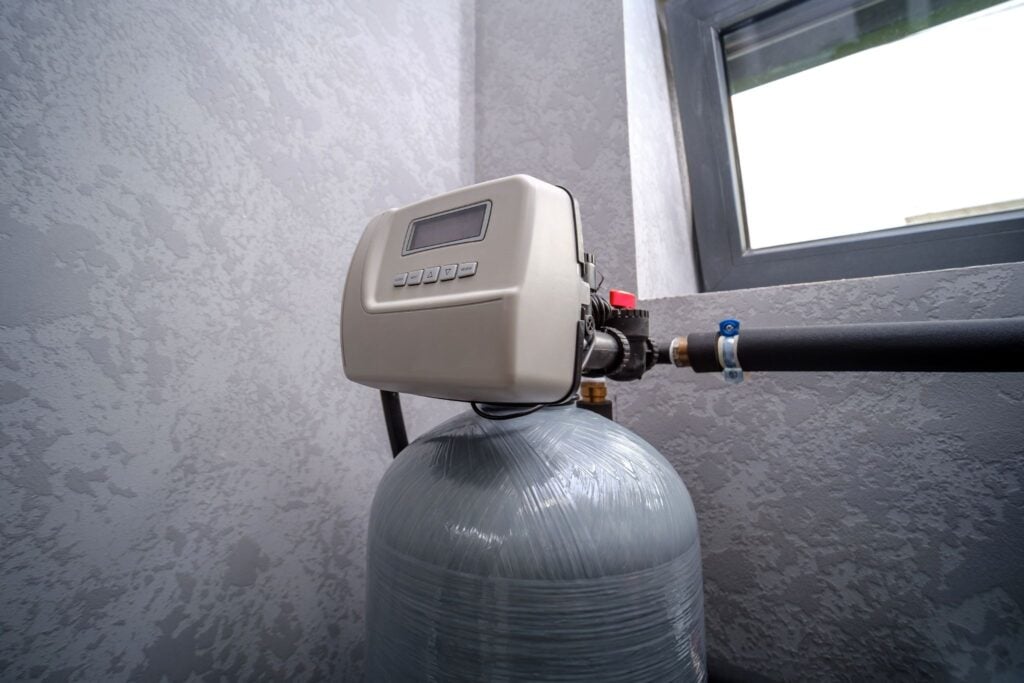
Hard water creates challenges that affect daily operations and long-term property costs. Mineral deposits collect inside plumbing systems and reduce appliance efficiency over time. Many homeowners and businesses notice these issues but do not always understand their cause. A water softener addresses hardness minerals before they create larger problems. Understanding the process helps property owners make informed decisions about water treatment and equipment protection.
What is a Water Softener?
A water softener is a water treatment system that reduces water hardness. The system targets minerals that commonly cause buildup throughout plumbing networks. Most units use ion-exchange technology to efficiently remove those minerals. Understanding the basic function provides a foundation for the entire softening process.
Simple Explanation of Water Softening
A water softener removes calcium and magnesium from the water supply. These minerals cause hardness, which leads to scale formation and cleaning challenges. The system captures hardness minerals before water reaches fixtures and appliances. Softened water then flows throughout the property with fewer mineral-related issues. This treatment process helps reduce buildup inside pipes and equipment. Many businesses and homeowners install softeners to improve water quality and reduce maintenance concerns.
What Makes Water Hard?
Water absorbs minerals naturally as it moves underground through rock formations. Calcium and magnesium become dissolved in the water during that journey. Those minerals remain present when water reaches residential and commercial properties. Hardness levels vary, yet the effects become more noticeable as mineral concentrations increase.
Calcium and Magnesium in Water
Calcium and magnesium account for most water hardness. These naturally occurring minerals are not considered harmful for consumption. However, they leave deposits on plumbing fixtures and water-using equipment. Mineral residue accumulates gradually and becomes harder to remove over time. Hard water also reduces the efficiency of soap during cleaning tasks. As a result, users often consume more cleaning products than necessary.
Understanding Water Hardness Levels
Water hardness is commonly measured in grains per gallon or parts per million. A higher measurement indicates a greater concentration of hardness minerals. Testing helps determine the severity of scale-related risks. Many water treatment professionals use these measurements to recommend system sizes. Accurate hardness data support better equipment selection. Property owners benefit from understanding their water hardness scale before choosing a solution.
The Purpose of a Water Softener
A water softener focuses on preventing problems before they spread through a property. The system treats incoming water before it enters plumbing fixtures and appliances. This approach reduces the effects of mineral accumulation throughout the building. Understanding this purpose helps explain the value of soft water.
Why Hardness Minerals Create Problems
Hard minerals attach to surfaces as water evaporates. Those deposits gradually form scale inside plumbing systems and equipment. Scale restricts water flow and lowers appliance performance. Water heaters often require more energy when mineral buildup develops. Increased strain can shorten equipment lifespan. These issues often lead property owners to seek water treatment solutions.
Benefits of Soft Water
Soft water improves cleaning efficiency across many household and commercial tasks. Soap dissolves more effectively and rinses away with less residue. Dishes, glass, and fixtures typically show fewer mineral spots. Laundry often feels cleaner and softer after washing. Appliances remain cleaner internally and maintain efficiency longer. These improvements contribute to lower maintenance demands and operating costs.
How the Water Softening Process Works
Most modern water softeners rely on a proven treatment method called ion exchange. This process removes hardness minerals before water circulates through the property. Specialized resin beads perform the treatment inside the mineral tank. The result is softened water that helps reduce scale formation.
Step 1: Hard Water Enters the System
Hard water enters the softener through the main water supply line. The water then moves into the mineral tank for treatment. At this stage, calcium and magnesium remain dissolved in the water. The treatment process begins as water passes through the resin bed. Every gallon receives treatment before reaching fixtures and appliances. This continuous flow supports consistent water quality.
Step 2: Resin Captures Hardness Minerals
The resin bed contains thousands of small beads carrying a negative charge. Calcium and magnesium carry positive charges that attract them to the resin. As water flows through the tank, those minerals attach to the beads. The resin captures hardness minerals and removes them from circulation. This exchange occurs automatically during normal operation. The treatment process remains active until the resin reaches capacity.
Step 3: Soft Water Leaves the Tank
After the exchange process, softened water exits the mineral tank. The treated water then travels through the property’s plumbing system. Fixtures, appliances, and equipment receive water with reduced hardness levels. Less scale formation occurs because hardness minerals have been removed. Cleaning becomes easier in many applications. Water quality remains consistent until regeneration becomes necessary.
Step 4: Regeneration Restores the Resin
The resin eventually fills with captured hardness minerals. When capacity decreases, the regeneration cycle begins automatically. A concentrated brine solution cleans the resin and removes trapped minerals. Fresh sodium or potassium ions replace the hardness minerals on the beads. The resin regains its treatment capacity after regeneration. This restoration process allows the system to continue operating efficiently.
Main Components of a Water Softener
Several components work together to support the softening process. Each part contributes to water treatment and system performance. Understanding these components helps explain how the system functions daily. Proper operation depends on each component performing its designated task.
Mineral Tank and Resin Bed
The mineral tank serves as the primary treatment chamber. This section contains the resin bed responsible for ion exchange. Hard water passes through the resin before entering the plumbing system. Calcium and magnesium remain trapped inside the tank during treatment. The resin bed performs most of the work within the softener. Proper maintenance helps preserve resin effectiveness.
Brine Tank and Salt Storage
The brine tank stores salt or potassium pellets used during regeneration. Water periodically enters the tank, creating a concentrated solution. That solution cleans the resin when treatment capacity declines. The brine process helps restore the system’s ability to remove minerals. Regular salt replenishment supports consistent performance. Most maintenance tasks involve monitoring this component.
Control Valve and System Settings
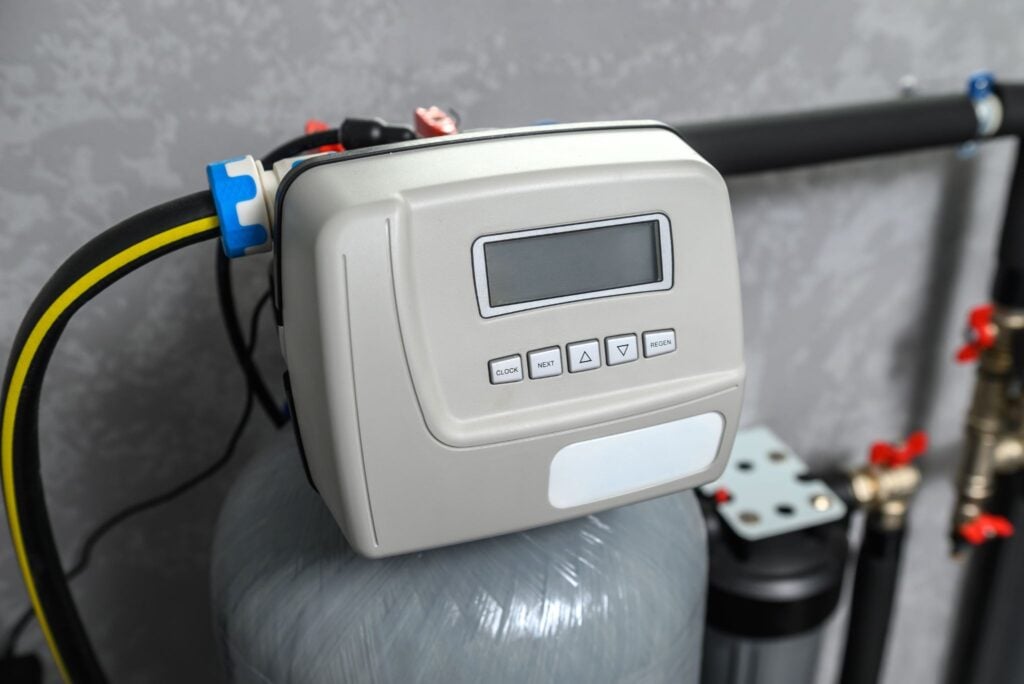
The control valve manages water flow throughout the system. This component directs water during treatment and regeneration cycles. Many modern units include digital programming features. The valve determines when regeneration should occur. Accurate settings help improve salt efficiency and water usage. Reliable valve performance supports overall system effectiveness.
Understanding the Regeneration Cycle
The regeneration cycle restores the resin after it becomes saturated. Without regeneration, the resin would eventually lose treatment capacity. This cleaning process allows the softener to continue removing hardness minerals. Most systems perform regeneration automatically based on usage patterns.
Backwash and Preparation Stage
The process often begins with a backwash cycle. Water flows through the tank in the opposite direction. This action loosens sediment and debris trapped within the resin bed. The system then flushes those materials through a drain line. Backwashing improves water flow and treatment performance. The resin becomes ready for the next stage.
Brine Draw and Resin Recharge
The softener draws brine from the storage tank during regeneration. High sodium concentration forces hardness minerals off the resin beads. Calcium and magnesium exit the system through the drain. Fresh sodium ions attach to the resin surface. The exchange restores the resin’s treatment capability. This phase prepares the system for continued operation.
Final Rinse and Service Return
A final rinse removes excess brine from the mineral tank. Clean water flushes remaining salt through the drain line. This step helps maintain water quality after regeneration. Once the rinse is complete, the system returns to service mode. Softened water becomes available immediately afterward. The cycle repeats when treatment capacity declines again.
Water Softener vs Water Filter
Many people assume water softeners and water filters perform identical functions. Both systems improve water quality, yet they address different concerns. Understanding the distinction helps property owners select appropriate equipment. Some properties benefit from using both systems together.
What a Water Softener Removes
A water softener specifically targets calcium and magnesium. The system reduces hardness levels through ion exchange treatment. Its primary goal is to prevent scale formation throughout plumbing systems. Softened water improves appliance efficiency and makes cleaning easier. The process focuses on hardness reduction rather than contaminant removal. This treatment approach addresses mineral-related issues directly.
What a Water Filter Removes
A water filter targets contaminants that affect taste, odor, and water quality. Different filtration systems remove sediment, chlorine, or other impurities. Filtration technology does not usually reduce water hardness. Many filters work alongside water softeners rather than replacing them. Combined treatment systems address multiple water quality concerns. Property owners often choose both for broader protection.
When Should You Install a Water Softener?
Hard water often creates warning signs before major problems develop. Recognizing those indicators can help property owners act sooner. Early treatment reduces long-term exposure to mineral buildup. Identifying the need for soft water starts with evaluating water conditions.
Signs Your Property Needs Soft Water
White residue on fixtures often indicates excessive mineral content. Soap scum buildup commonly appears on showers, sinks, and tubs. Laundry may feel rough despite normal washing procedures. Appliances can lose efficiency as scale accumulates internally. Water heaters often require more energy under hard water conditions. These signs suggest a water softener may provide meaningful benefits.
Hard Water Testing Options
Water testing provides a reliable way to measure hardness levels. Simple test kits offer quick results for many property owners. Professional water analysis can provide more detailed information. Results typically appear in grains per gallon or parts per million. These measurements help determine treatment requirements accurately. Water testing supports informed equipment selection decisions.
Choosing the Right Water Softener
Water softeners come in several sizes and configurations. Selecting the right system depends on water usage and hardness levels. A properly matched unit supports consistent performance and efficiency. Understanding key selection factors helps simplify the decision process.
Factors That Affect System Size
Water hardness directly influences treatment requirements. Household occupancy affects daily water consumption patterns. Businesses often require larger systems due to increased demand. Equipment sizing should reflect both current and future usage needs. An undersized unit may regenerate too frequently. Proper sizing supports reliable performance and operating efficiency.
Professional Installation vs DIY
Some property owners choose to install systems independently. DIY installation may reduce initial labor costs in certain situations. Professional installation often helps avoid sizing or plumbing mistakes. Experienced plumbers can verify system settings and performance. Complex plumbing configurations may require specialized expertise. Installation quality contributes to long-term system reliability.
Reduce Hard Water Damage Today
Hard water can quietly shorten the lifespan of plumbing systems and water-using equipment. Mineral deposits continue to build up inside pipes, fixtures, and appliances, often leading to reduced efficiency and higher maintenance costs. A properly installed water softener helps limit scale formation before it creates larger problems throughout the property. Professional plumbing services can evaluate your water conditions, recommend the right treatment solution, and help protect your plumbing investment for years to come.
The right information can help prevent costly plumbing problems before they start. Browse the Cardinal Plumbing blog for expert resources, maintenance guidance, and answers to common water and plumbing concerns.