

Most property owners expect their air conditioner to work without interruption when temperatures rise. Unfortunately, many cooling problems develop quietly long before any warning signs appear. A neglected HVAC system often consumes more energy while delivering less comfort. Regular maintenance helps homeowners avoid unnecessary expenses and improve system performance. A clear AC maintenance plan also helps extend the lifespan of important cooling components.
Why AC Maintenance Matters in 2026
Cooling systems face increasing demands as people rely more heavily on indoor comfort. Small maintenance issues can gradually affect airflow, efficiency, and overall performance. Dirt accumulation, worn components, and restricted ventilation place added strain on equipment. A consistent maintenance routine helps prevent many common air conditioning problems before they become costly repairs.
How Does AC Maintenance Reduce Energy Bills?
A clean and properly maintained air conditioner requires less effort to cool a home. Dirty filters and clogged condenser coils force the system to run longer. Longer operating cycles often lead to higher monthly utility expenses. Improved airflow allows conditioned air to move efficiently throughout the house. Clean HVAC components support better heat transfer and cooling performance. Property owners often notice lower operating costs after completing routine maintenance.
How Often Should You Service an AC Unit?
Most owners benefit from professional AC service at least once each year. Annual inspections help identify developing issues before they affect performance. Systems that operate heavily may require additional attention during peak cooling periods. Routine inspections support reliable operation throughout the season. Professional HVAC technicians can evaluate components that owners cannot safely access. Regular service helps reduce the risk of unexpected breakdowns.
Best Times for AC Maintenance
Maintenance timing can influence the effectiveness of any cooling system care plan. Certain periods provide better opportunities to identify and correct developing issues. Waiting until extreme temperatures arrive often limits scheduling flexibility. Strategic maintenance throughout the year helps support dependable performance.
Why Spring is the Ideal Inspection Period
Spring provides enough time to prepare equipment before heavy cooling demand begins. Technicians can inspect refrigerant lines, electrical connections, and condenser coils. Early inspections help reveal issues that developed during colder months. Homeowners gain time to schedule repairs if needed. A spring tune-up helps improve efficiency before summer arrives. This timing often reduces the chance of emergency service calls.
Why Mid-Season Checks Prevent Breakdowns
Cooling systems accumulate wear as temperatures rise and usage increases. Mid-season inspections help identify problems before they worsen. Air filters, condensate drains, and thermostat settings deserve special attention. Owners can monitor system performance during periods of heavier demand. Small adjustments often improve efficiency and comfort. Continued monitoring helps prevent avoidable equipment failures.
Key AC Maintenance Tasks for 2026
Air conditioning systems support comfort, productivity, and daily operations in both homes and commercial properties. Routine maintenance helps reduce operating costs while supporting consistent cooling performance throughout the year. Small issues can gradually affect efficiency and lead to unexpected service interruptions. The following maintenance priorities can help property owners protect their equipment and avoid preventable problems in 2026.

Inspect and Replace Air Filters
Air filters influence cooling efficiency, airflow quality, and overall HVAC performance. Dirty filters force system components to work harder during every cooling cycle. Restricted airflow can affect comfort levels in homes and commercial buildings alike. Routine filter maintenance supports healthier indoor air and more dependable system operation.
How Often Should Air Filters Be Checked?
Monthly inspections help identify dust accumulation before airflow becomes restricted. Properties with pets, higher occupancy, or increased dust levels may require more frequent checks. Dirty filters can reduce cooling performance and increase energy consumption. Consistent inspections help maintain proper airflow throughout the system. Regular filter replacements also help protect internal HVAC components from excessive debris.
Choosing the Right Filter for Your System
Not every HVAC system performs best with the same filter type. Property owners should follow manufacturer recommendations when selecting replacements. Highly restrictive filters can create airflow problems in some systems. Proper filter selection supports both air quality and cooling performance. Using the correct filter helps reduce unnecessary strain on equipment.
Clear Debris Around the Outdoor Condenser
The outdoor condenser releases the heat removed from indoor spaces during the cooling process. Dirt, vegetation, and debris can interfere with proper airflow around the unit. Reduced airflow makes cooling systems work harder to maintain desired temperatures. Regular cleaning supports better efficiency and more consistent performance.
Remove Debris Around the Condenser
Leaves, grass clippings, and overgrown landscaping often restrict airflow around outdoor equipment. Maintaining adequate clearance allows the condenser to operate more effectively. Improved airflow helps the system dissipate heat more efficiently. Property owners should inspect the area around the unit regularly. Consistent maintenance supports lower operating costs and better cooling performance.
Why Clean Condenser Coils Matter
Condenser coils accumulate dirt year-round, especially in outdoor environments. Dirty coils reduce heat transfer efficiency and increase system workload. Cooling cycles may become longer when coils remain neglected. Gentle cleaning helps maintain proper performance and energy efficiency. Professional service may be necessary when buildup becomes excessive.
Check Thermostat Performance
Thermostats control cooling schedules and temperature settings across the property. Inaccurate readings can affect comfort levels and increase energy consumption. Regular evaluations help verify that the system responds correctly to temperature demands. Modern thermostat features can also improve efficiency when configured properly.
How Can You Verify Thermostat Accuracy?
Displayed temperatures should closely match actual indoor conditions. Property owners can compare thermostat readings with a reliable room thermometer. Significant differences may indicate calibration issues or sensor problems. Incorrect readings often cause unnecessary cooling cycles. Accurate temperature control supports better comfort and operating efficiency.
Are Smart Thermostats Worth Updating?
Smart thermostats offer scheduling tools that help reduce unnecessary energy usage. Updated settings allow cooling schedules to align with occupancy patterns. Many models provide performance insights and usage reports. Reviewing settings periodically helps maintain efficient operation. Small scheduling adjustments can lead to meaningful cost savings over time.
Improve Airflow Across the Property
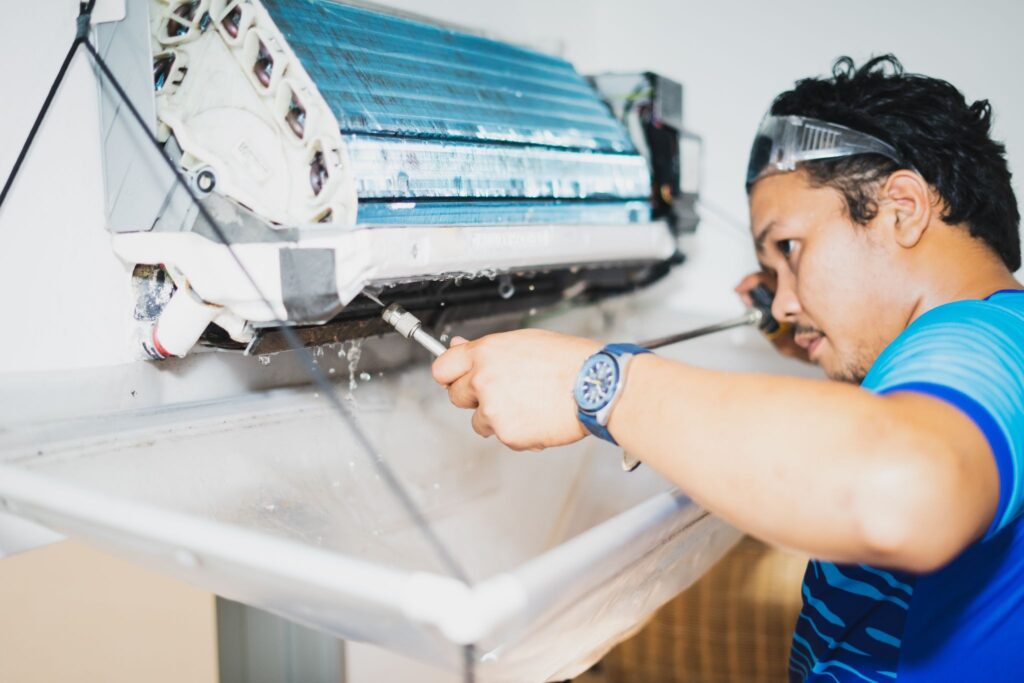
Balanced airflow helps ensure that cool air reaches every occupied space effectively. Poor circulation can reduce comfort even when the equipment functions correctly. Airflow issues often indicate restrictions within vents, ductwork, or other system components. Routine inspections help identify and address these concerns early.
Why Should Supply and Return Vents Stay Clear?
Blocked vents reduce airflow and limit the distribution of cooling. Furniture, storage items, and other obstructions commonly interfere with air movement. Open vents help maintain balanced temperatures throughout the property. Better circulation allows HVAC systems to operate more efficiently. Regular inspections help prevent avoidable airflow restrictions.
What Causes Uneven Cooling?
Temperature differences between rooms often signal airflow or ductwork issues. Leaks within ducts can reduce the amount of conditioned air reaching certain areas. Blocked vents and restricted airflow may produce similar results. Persistent hot spots deserve closer investigation. Addressing airflow concerns early helps maintain comfort and system efficiency.
Signs Ductwork May Need Attention
Whistling sounds, weak airflow, and inconsistent temperatures often indicate duct-related concerns. Rising utility bills may also indicate air leakage in the system. Damaged ductwork reduces efficiency and places additional strain on HVAC equipment. Professional inspections can identify hidden issues affecting performance. Timely repairs help restore proper airflow throughout the property.
Inspect Drainage and Moisture Control
Air conditioning systems remove moisture from indoor air while cooling. Drainage components direct that moisture away from equipment and occupied spaces. Blockages can lead to leaks, water damage, and operational disruptions. Routine inspections help maintain effective moisture management.
Why Should the Condensate Drain Be Checked?
Condensate drains can collect dirt, algae, and other debris over time. Blockages may prevent water from flowing properly through the system. Overflow conditions can damage nearby materials and equipment. Regular inspections help identify developing drainage issues. Clear drainage pathways support reliable system operation.
What Moisture Warning Signs Need Attention?
Water stains, unusual dampness, and musty odors often indicate moisture concerns. Excess humidity near HVAC equipment may signal drainage problems. Property owners should investigate these signs promptly. Early intervention helps reduce repair costs and potential property damage. Consistent monitoring supports healthier indoor environments.
How Moisture Affects Indoor Air Quality
Excess moisture creates favorable conditions for mold and mildew growth. Poor moisture control can affect comfort and indoor air quality. Occupants may notice lingering odors or increased allergy symptoms. Proper drainage helps maintain healthier indoor conditions. Addressing moisture issues early reduces long-term complications.
Inspect Electrical Connections and Controls
Electrical systems support every major function within an air conditioning unit. Wear, corrosion, and loose connections can affect reliability and safety. Routine visual inspections help identify warning signs before failures occur. Prompt attention to electrical concerns helps maintain dependable system performance.
Electrical Issues to Watch For
Damaged insulation, loose wiring, and visible corrosion require immediate attention. These issues may indicate aging components or environmental exposure. Ignoring electrical deterioration can increase the likelihood of equipment failure. Professional inspections help verify system safety and performance. Early repairs often prevent more expensive problems later.
Why Do Strange AC Sounds Matter?
New noises frequently signal developing electrical or mechanical concerns. Buzzing sounds may indicate connection issues or failing components. Humming noises can point toward equipment wear or electrical strain. Changes in normal operating sounds deserve investigation. Prompt diagnosis helps prevent additional damage and service interruptions.
Why Sounds Should Never Be Ignored
Loud buzzing, clicking, or crackling noises often indicate urgent concerns. Persistent sounds rarely disappear without an underlying cause. Electrical issues can worsen quickly if left unresolved. Professional evaluation helps identify the source safely. Fast action reduces the risk of more extensive repairs.
Signs Your AC Needs Immediate Service
Most air conditioners provide warning signs before major failures occur. Homeowners who recognize these signals can respond before conditions worsen. Ignoring performance changes often increases repair complexity and cost. Early intervention helps maintain comfort and system reliability.
Weak Airflow
Weak airflow often points to clogged filters, blocked ducts, or equipment issues. Reduced circulation can affect comfort throughout the home. Cooling cycles may become longer and less effective. Homeowners should investigate noticeable airflow changes promptly. Consistent airflow supports efficient cooling performance. Professional evaluation may reveal underlying system concerns.
Rising Utility Bills
Unexpected increases in energy costs often reflect declining system efficiency. Dirty coils, restricted airflow, and worn components can contribute to higher usage. Homeowners should compare utility trends throughout the cooling season. Significant increases deserve closer inspection. Addressing performance issues early may help control operating costs. Monitoring energy usage provides valuable insight into system health.
AC Turning On and Off Frequently
An air conditioner should complete normal cooling cycles without repeatedly starting and stopping. Frequent cycling, often called short cycling, places unnecessary strain on system components and increases energy consumption. Several issues can trigger this behavior, including thermostat malfunctions, restricted airflow, refrigerant problems, or electrical concerns. Property owners should not ignore this warning sign, especially when it becomes a recurring issue.
Keep Your AC Maintenance Checklist on Schedule
An air conditioning system performs best when maintenance becomes a consistent habit rather than a last-minute response to problems. Staying on schedule helps homeowners and business owners reduce unexpected repairs, manage operating costs, and maintain dependable indoor comfort year-round. Small maintenance tasks completed at the right time often prevent larger disruptions later. Start reviewing your AC maintenance checklist now so your system remains prepared for the demands of 2026 and beyond.
Every property performs better when informed by the right information for every maintenance decision. Visit the Cardinal Plumbing blog for practical HVAC insights, seasonal tips, and expert advice that helps you stay ahead of costly repairs.