
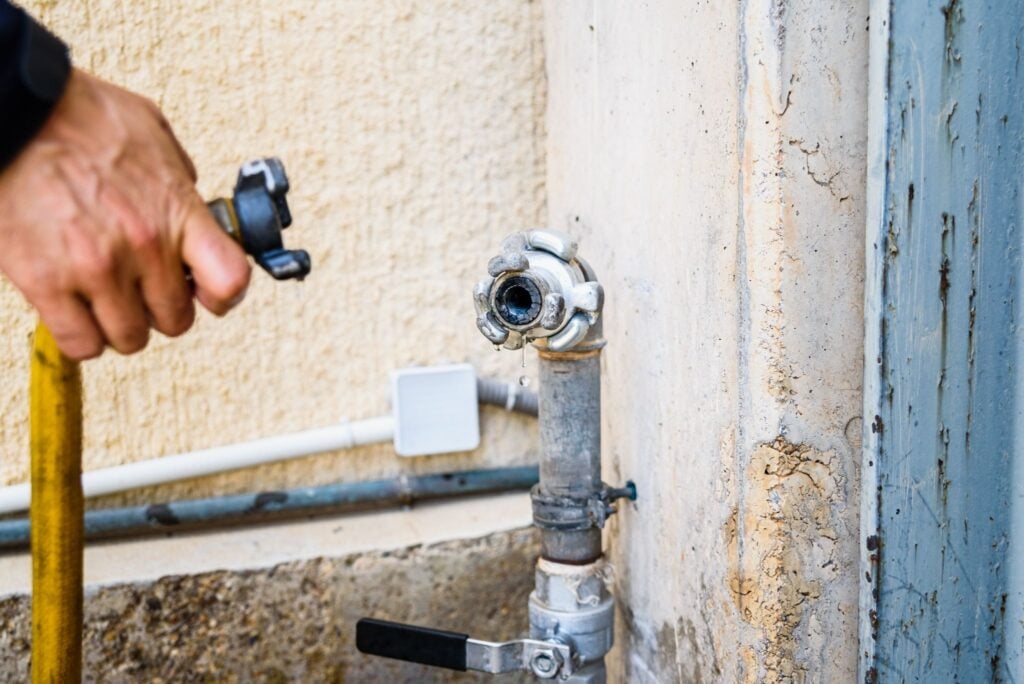
Plumbing problems often start without warning and quickly disrupt daily life. A small leak can become extensive water damage within hours. Some issues create health and safety concerns that cannot wait until regular business hours. Many homeowners struggle to decide when a problem requires immediate professional service. Understanding what qualifies as a plumbing emergency helps you act quickly and protect your home from costly damage.
What is a Plumbing Emergency?
A plumbing emergency is any issue that poses a risk of property damage, health hazards, or loss of essential water services. Common examples include burst pipes, sewage backups, major water leaks, gas line problems, and complete water loss. These situations often worsen quickly when left untreated. Delaying repairs can increase restoration costs and damage additional areas of the home.
Why Some Plumbing Problems Cannot Wait
Certain plumbing failures create consequences within minutes rather than days. Water can soak drywall, flooring, insulation, and furniture surprisingly fast. Exposure to sewage introduces harmful bacteria into living spaces. Gas leaks pose serious safety risks that require immediate action. Some emergencies also leave households without access to clean water. Professional intervention helps prevent damage from spreading further.
How Emergency Plumbers Respond
Emergency plumbers focus on problems that require immediate stabilization. Their first goal is to stop active damage and restore safety. They often arrive with equipment designed for urgent repairs. Temporary solutions may prevent further loss until permanent repairs are made. This response process helps homeowners regain control during stressful situations. Fast service often prevents a manageable issue from becoming a major restoration project.
When to Call for Emergency Plumbing Service
Not every plumbing issue requires an urgent response. Some problems create inconvenience without causing immediate damage. Others affect critical systems throughout the home. Understanding the warning signs helps homeowners make informed decisions.
Questions to Ask Yourself
Ask whether water is actively damaging your home. Consider if the problem affects your entire plumbing system. Think about whether sewage, contaminated water, or gas is involved. Determine if household members can safely remain in the property. Evaluate whether the issue prevents access to clean water. Immediate service is usually necessary when the answer to any of these concerns is yes.
Signs the Situation is Escalating
A worsening plumbing problem often shows clear warning signs. Water may spread beyond the original affected area. Drain backups may become more frequent throughout the house. Unusual odors can indicate developing sewer or gas issues. Reduced water pressure sometimes points to a hidden water line leak. Changes like these often signal the need for professional evaluation.
When Waiting Could Cost More
Some homeowners delay repairs to avoid unexpected service costs. That decision often leads to greater expenses later. Water damage restoration frequently costs more than plumbing repairs alone. Mold growth may develop after prolonged exposure to moisture. Structural materials can weaken when water remains trapped inside walls. Quick action often reduces both repair costs and disruption.
Signs a Plumbing Problem Needs Immediate Help
Some plumbing issues create inconvenience, while others can damage a home within hours. The challenge lies in recognizing the difference before the situation worsens. Understanding the warning signs can help you determine when a plumbing problem requires urgent professional attention.
Burst Pipes and Uncontrolled Water Damage
Water escaping from a damaged pipe can spread quickly through a home. Even a small rupture may affect walls, flooring, and personal belongings. Hidden leaks can continue causing damage before becoming visible. Fast action helps reduce pipe repair costs and prevents more extensive property damage.
Why Burst Pipes Require Immediate Attention
A burst pipe releases water continuously until the source is stopped. Building materials absorb moisture quickly and become vulnerable to deterioration. Standing water can also reach electrical components, creating additional hazards. Mold growth may begin after prolonged exposure to moisture. Delaying repairs often increases restoration expenses. Professional service helps stop the damage and restore the plumbing system.
Signs of a Hidden Water Line Leak
Not every serious leak appears in plain sight. Water stains on ceilings or walls often indicate concealed pipe damage. Unexplained increases in water bills may point to ongoing water loss. Musty odors frequently develop in damp areas. Warped flooring can also signal hidden moisture beneath the surface. Early detection helps prevent structural damage from spreading.
Sewage Backups Inside the Home
Wastewater entering living spaces creates more than an unpleasant mess. Sewage can contaminate surfaces and expose occupants to harmful bacteria. These situations often worsen when ignored. Prompt attention helps restore a safe and sanitary environment.
Why Sewage Exposure is Dangerous
Raw sewage contains bacteria, viruses, and other contaminants. Contact with wastewater can increase the risk of illness. Contaminated flooring and furnishings often require specialized cleaning. Strong odors may indicate an active sewer problem. Household members should avoid affected areas whenever possible. Professional cleanup helps restore safe conditions throughout the home.
Common Causes of Sewer Backups
Several plumbing issues can lead to wastewater backups. Tree roots frequently invade underground sewer lines and restrict flow. Grease buildup may gradually create severe blockages. Aging pipes sometimes crack, collapse, or shift underground. Heavy debris can also obstruct wastewater movement. These conditions often force sewage back into household drains.
Warning Signs Before a Backup Occurs
Many sewer problems provide warning signs before a major incident. Multiple drains may begin emptying slowly throughout the home. Gurgling sounds often develop inside sinks, tubs, or toilets. Foul odors may emerge near plumbing fixtures. Water backing up in one fixture after using another can signal trouble. Early inspection may prevent the need for a larger cleanup project.
Complete Loss of Running Water
A sudden loss of water can disrupt nearly every household activity. Cooking, cleaning, and sanitation become difficult without a reliable supply. Some interruptions stem from external utility issues. Others indicate significant problems with the plumbing system that require immediate attention.
When Water Loss Becomes an Emergency
The situation becomes serious when no water reaches household fixtures. Damaged supply lines can interrupt service unexpectedly. Internal plumbing failures may also affect the entire property. Households become vulnerable when clean water remains unavailable. The issue grows more urgent when leaks accompany the outage. Professional diagnosis helps identify the cause and restore service.
Potential Causes of Sudden Water Loss
Broken water lines often cause widespread service interruptions. Frozen pipes may block water flow during cold weather. Severe leaks can reduce water pressure throughout the property. Faulty valves sometimes prevent water from reaching fixtures. Municipal service disruptions may also contribute to the problem. Identifying the source helps determine the next steps.
Overflowing Toilets and Widespread Drain Backups
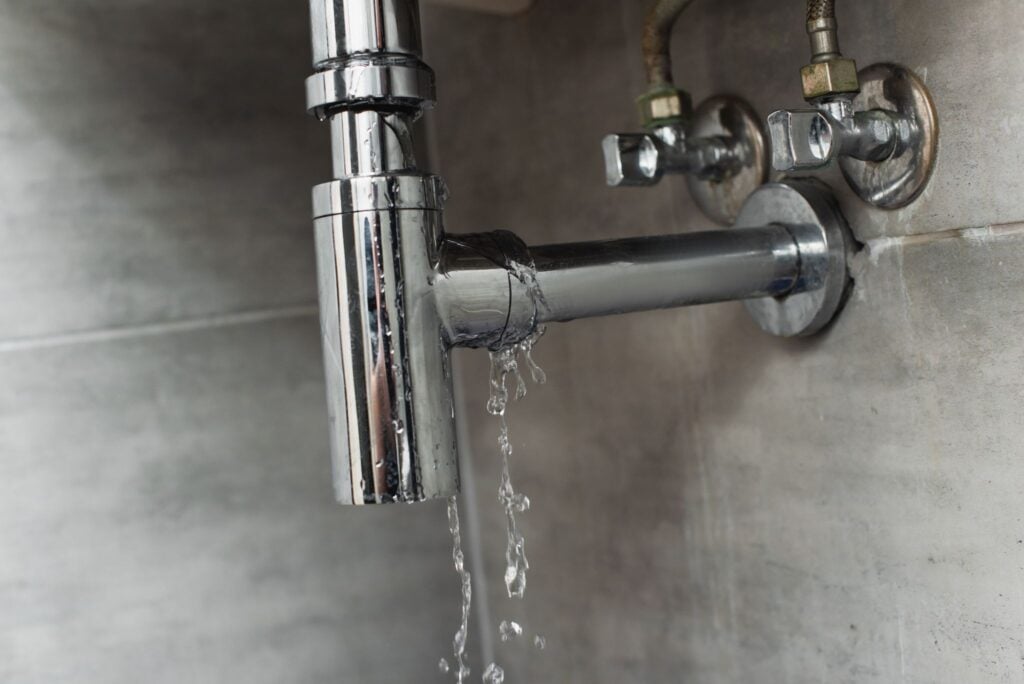
A clogged drain does not always create immediate concern. The situation changes when wastewater begins to overflow onto the floors. Multiple blocked fixtures often point to a larger plumbing issue. Rapid attention helps prevent contamination and property damage.
When a Toilet Overflow Requires Urgent Help
Repeated toilet overflows often signal a deeper problem within the drainage system. Wastewater can spread harmful contaminants across nearby surfaces. Flooring materials may absorb moisture and become damaged. Multiple overflowing fixtures frequently suggest a sewer line blockage. Temporary plunging efforts may provide only short-term relief. Professional assistance becomes necessary when backups continue.
Whole-House Drainage Problems
A single slow drain usually affects only one fixture. Several slow drains often indicate a blockage deeper within the system. Water may back up through sinks, tubs, and showers unexpectedly. Gurgling sounds can signal restricted airflow inside plumbing lines. Severe obstructions often require specialized equipment to remove. Early intervention helps restore proper drainage before conditions worsen.
Why Chemical Drain Cleaners Are Risky
Many homeowners attempt to clear clogs using chemical cleaners. These products rarely eliminate major blockages. Harsh chemicals can damage certain pipe materials over time. Repeated applications may complicate future plumbing repairs. Professional drain cleaning addresses the source of the obstruction directly. A proper diagnosis often produces longer-lasting results.
Water Heater Failures Requiring Fast Action
Water heaters support daily comfort and sanitation needs. Some issues create inconvenience, while others can damage property or affect safety. Recognizing warning signs helps homeowners respond appropriately. Early repairs often prevent larger system failures.
Leaking Water Heater Tanks
A leaking water heater can release water continuously around the unit. Small puddles may develop into significant moisture problems. Internal corrosion commonly contributes to tank deterioration. Nearby flooring and walls may be damaged by prolonged exposure. Older systems often become more susceptible to leaks. Prompt inspection helps determine the best solution.
Lack of Hot Water and System Failure
A sudden loss of hot water often indicates equipment malfunction. Certain issues develop gradually and reduce performance over time. Others cause a complete system shutdown without warning. Daily routines become more difficult when hot water remains unavailable. Professional troubleshooting helps identify the underlying problem. Early repairs may prevent the need for a total system replacement.
Suspected Gas Leaks Around Plumbing Systems
Many plumbing professionals also service residential gas lines. Problems involving gas require immediate attention because safety risks can escalate quickly. Even a small leak may create dangerous conditions indoors. Recognizing the signs helps homeowners respond appropriately.
Common Signs of a Gas Leak
A strong sulfur-like odor often indicates escaping gas. Hissing sounds may occur near damaged gas lines or connections. Physical symptoms can include dizziness, headaches, or nausea. Dead vegetation sometimes appears above underground gas leaks. These warning signs should never be ignored. Immediate action helps reduce potential danger.
What to Do If You Suspect a Leak
Leave the property immediately if a gas leak seems likely. Avoid using electrical switches, appliances, or open flames. Move everyone to a safe location away from the building. Contact emergency responders or qualified professionals promptly. Clear communication helps them assess the situation effectively. Safety should remain the highest priority at all times.
Why Immediate Service Matters
Gas leaks create serious fire and explosion hazards. Risks increase when gas accumulates inside enclosed spaces. Delayed action can endanger both occupants and nearby properties. Professional technicians use specialized equipment to locate leaks accurately. Proper repairs restore safe operation of the gas system. Fast response helps protect lives and property.
Frozen Pipes and Potential Pipe Ruptures
Cold weather can place significant stress on residential plumbing systems. Water expands as it freezes inside pipes. This expansion creates pressure that can damage plumbing lines. Early intervention helps prevent extensive water damage.
How Frozen Pipes Become Emergencies
Frozen pipes block water movement and increase internal pressure. Cracks and ruptures may develop before homeowners notice a problem. Water often escapes rapidly after frozen sections thaw. Hidden leaks can damage walls, ceilings, and flooring. Structural materials become vulnerable when moisture remains trapped. Prompt repairs help reduce restoration costs and further damage.
Warning Signs of Frozen Plumbing
Reduced water flow often appears before complete blockage occurs. Frost may develop on exposed sections of pipe. Strange sounds inside the walls can indicate freezing conditions. Unusual odors may emerge from drains when airflow changes. These warning signs suggest that plumbing problems are developing. Quick attention may prevent a pipe from bursting.
Address a Plumbing Emergency Before It Escalates
A plumbing emergency rarely stays contained for long. Water can spread, damage can multiply, and repair costs can climb before the problem becomes fully visible. Homeowners who respond quickly often avoid larger disruptions and more expensive repairs. If something seems wrong, trust your instincts and contact qualified plumbing services before a manageable issue turns into a major setback.
The best time to learn about plumbing problems is before they become costly repairs. Browse the Cardinal Plumbing blog for expert information, seasonal tips, and homeowner-friendly advice designed to help protect your home.