
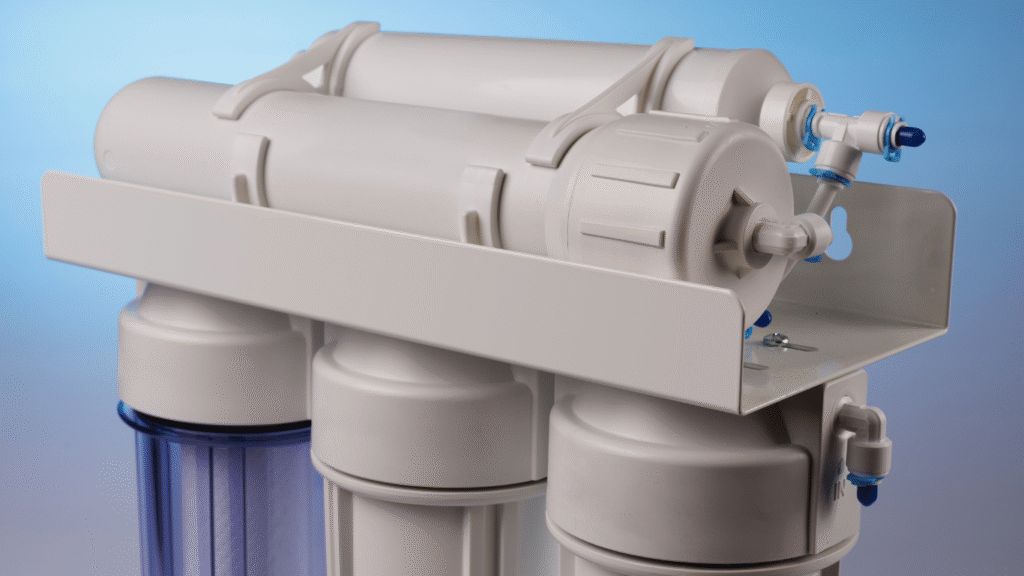
Choosing the right water filtration system for your home or business is one of the smartest decisions you can make to protect your health, plumbing, and overall water quality. With so many filter options available today, navigating the pros, cons, and performance differences can feel overwhelming. That’s why understanding a clear filter technology comparison is essential for making an informed, long-term choice that fits your Illinois property’s needs.
Many local homes and businesses deal with problems such as hard water, sediment, chlorine taste, iron staining, sulfur odor, and even potential contaminants like lead or VOCs. But different filtration methods target different water concerns, meaning no single filter works for every situation. A thorough filter technology incorporated helps you see how each method performs, what it removes, what it doesn’t, and what level of maintenance it requires.
As Cardinal Plumbing Co., we specialize in guiding homeowners and business owners through the process so they invest in the right solution the first time. In this comprehensive guide, you’ll learn how major filtration technologies compare, how they work, and how to match them to the specific water issues you face. Make sure to follow us on our Facebook Page for updates and additional tips.
Why Understanding Filtration Technology Matters
Water filters are not all created equal. Some remove taste and odor issues like chlorine. Others target harmful contaminants such as lead or bacteria. Some improve long-term appliance efficiency, while others simply enhance your drinking water. Without a proper filter technology incorporated, many Illinois residents end up with systems that don’t solve their water problems or are far more expensive than necessary. Understanding technology differences helps you avoid:
• Choosing an underperforming system
• Spending more than you need to
• Installing a filter that doesn’t target your specific contaminants
• Dealing with constant maintenance due to the wrong system
• Experiencing poor water taste or recurring issues even after investing in filtration
Understanding Your Water Before Choosing a Filter
Before diving into filter technology incorporated details, it’s important to know what type of water you’re dealing with. Illinois homes often run into:
• Effective Hard water treatment
• Sediment and rust particles
• Chlorine and chloramine
• Iron and manganese
• Sulfur odors
• Lead or copper from older pipes
• High total dissolved solids (TDS)
• Microbial contaminants (in well water)
• Organic chemicals or VOCs
Municipal water and private well water each present unique challenges. That’s why professional water testing is essential: it determines exactly which contaminants you need to target. Once you know what’s in your water, a filter technology comparison becomes much easier and more accurate. Cardinal Plumbing Co. offers comprehensive water testing throughout Illinois to ensure you start with the right information.
Activated Carbon Filtration
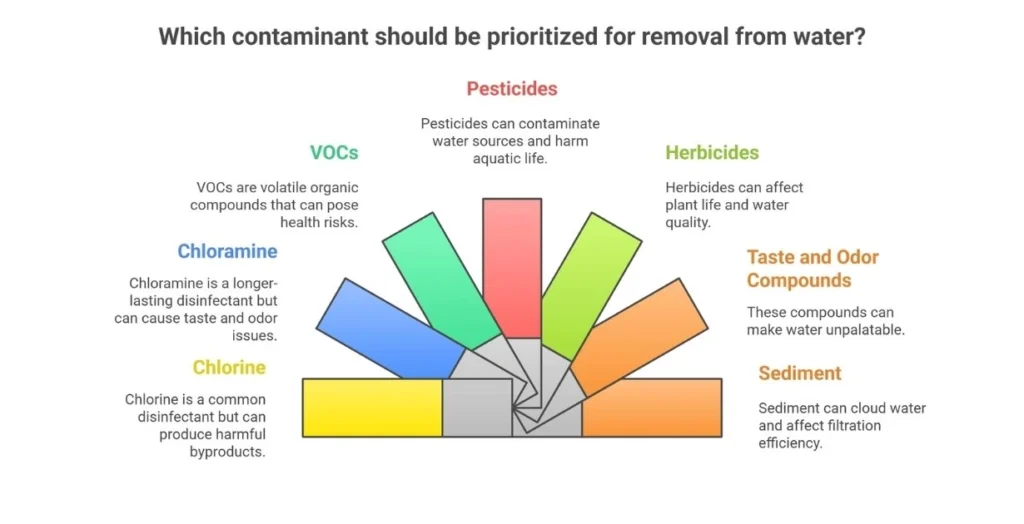
Activated carbon is one of the most widely used filtration technologies due to its ability to improve taste, smell, and clarity. In a filter technology incorporated, carbon systems are known for affordability and convenience. Activated carbon works by adsorption contaminants stick to the porous carbon surface as water flows through. These filters excel at removing:
Reverse Osmosis (RO) Filtration
Reverse osmosis is one of the most advanced filtration systems available and stands out in any filter technology comparison due to its ability to remove a wide range of contaminants. RO uses a semi-permeable membrane to push water through microscopic pores, removing particles as small as 0.0001 microns. RO systems eliminate:
• Lead
• Arsenic
• Fluoride
• Nitrates
• Dissolved solids
• Sodium
• Some viruses and bacteria
• Heavy metals
• Pharmaceuticals
RO is extremely thorough, making it ideal for drinking water. However, it produces wastewater during the filtration process and often requires a storage tank. It also removes beneficial minerals, which may affect taste unless a remineralization filter is added. For anyone researching filter technology incorporated options for maximum contaminant removal, RO is often the top performer.
Ultraviolet (UV) Water Purification

UV water purification offers advanced microbial protection. Instead of removing particles, UV neutralizes microorganisms using ultraviolet light. When combined with other filters, it provides a high level of safety for well users or anyone concerned about biological contaminants. UV treatment in a filter technology incorporated is unique because it does not rely on chemicals.
Water Softeners (Ion Exchange Technology)
Water softeners don’t filter contaminants in the traditional sense, but they do remove hard minerals like calcium and magnesium using ion exchange. This technology replaces hard minerals with sodium or potassium ions. In a filter technology incorporated, water softeners stand out for protecting plumbing systems, not for improving drinking water purity. Softeners provide benefits such as:
• Preventing scale buildup
• Extending water heater lifespan
• Improving soap lather
• Protecting fixtures and appliances
• Reducing maintenance costs
Sediment Filtration
Sediment filters remove physical particles and debris and are essential in many homes, especially those with older plumbing or well water. Sediment filtration is typically the first stage in a multi-filter system. These filters trap:
• Sand
• Dirt
• Rust
• Silt
• Scale particles
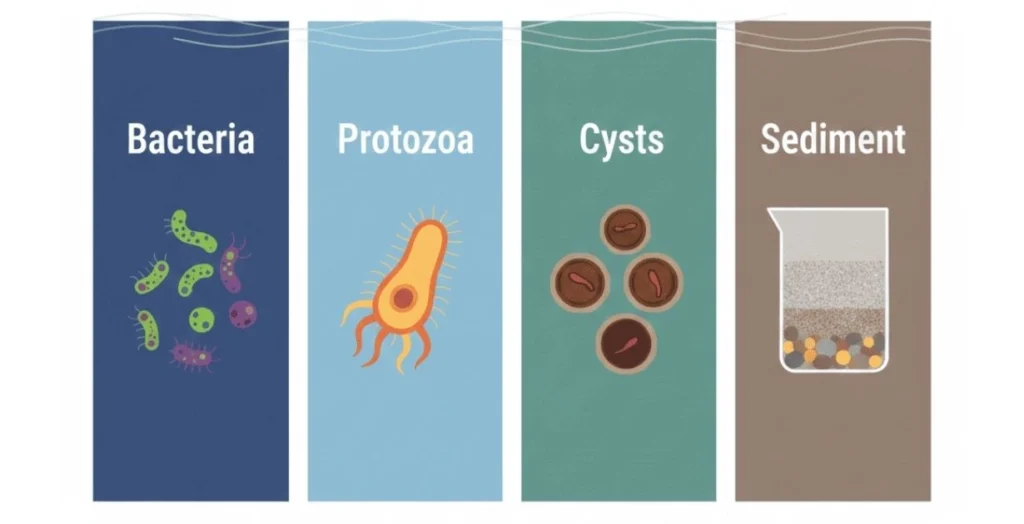
Ceramic Filtration
Ion Exchange Resin Filters
Ion exchange resin filters remove targeted contaminants through chemical exchange. These filters differ from softeners because they target specific substances rather than just hard minerals. They are effective for removing:
• Lead
• Chromium
• Iron
• Nitrates
• Radium
Distillation Systems
Distillation is a high-purity method that boils water and condenses the steam, leaving contaminants behind. Distillation removes:
• Heavy metals
• Minerals
• Bacteria
• Some chemicals
• Dissolved solids
Whole-House vs. Point-of-Use Filtration
A key part of any filter technology incorporated is deciding between whole-house and point-of-use systems. Whole-house systems filter all water entering your home ideal for issues like sediment, hardness, or chlorine. Point-of-use systems filter water at a single tap Best for drinking and cooking when contaminants are more serious. Choosing the right configuration ensures performance, convenience, and cost-efficiency.
Maintenance Considerations for Each Filtration Method
Every filtration system requires some level of maintenance. When comparing systems, consider:
• Filter lifespan
• Cost of replacement cartridges
• Need for professional service
• Cleaning requirements
• System complexity
• Potential performance decline over time
Energy Use and Environmental Impact
Some filtration technologies consume more save energy than others. For example:
• UV systems require continuous electricity
• RO wastes some water
• Distillation consumes significant energy
• Carbon and sediment filters require no electricity
Matching the Right Filter to Your Specific Needs
Because each system targets different issues, most homes benefit from a customized filtration setup. Here are common combinations based on water conditions in Illinois:
• Hard water + chlorine taste → Softener + Carbon filter
• High TDS + lead concerns → Reverse osmosis system
• Well water with bacteria → Sediment + Carbon + UV system
• Rust stains + odors → Iron filter + Carbon filter
Professional Water Testing and Consultation
Before choosing a filtration system, you need accurate data. Professional water testing ensures you don’t guess or buy unnecessary equipment. Once you have a clear understanding of your water, a filter technology incorporated becomes far more useful in identifying what system works best. Our team evaluates:
• Water chemistry
• Contaminant presence
• Plumbing age
• Household usage
• Budget
• Performance goals
Why Choose Cardinal Plumbing Co. for Water Filtration
We offer:
• Industry-leading filtration systems
• Accurate water testing
• Honest recommendations
• Skilled installation
• Local Illinois expertise
• Long-term maintenance support
Final Thoughts
A clear and accurate filter technology comparison is the best way to choose a filtration system that will truly improve your water quality. With so many options available, understanding how each system works and what problems it solves is essential. Whether you’re dealing with chlorine taste, hard water, heavy metals, sediment, or microbial concerns, there is a filtration solution that fits your needs perfectly.
Today contact us Cardinal Plumbing Co. is here to help Illinois residents and business owners make the right choice with expert testing, guidance, and installation. Clean, healthy water is an investment in your property, your family, and your long-term peace of mind.
Frequently Asked Questions About Filter Technology Comparison
What are the key filtration technologies mentioned?
Activated Carbon, Reverse Osmosis (RO), Ultraviolet (UV), Water Softeners, and Sediment Filters.
Which system offers the highest level of contaminant removal?
Reverse Osmosis (RO), which removes particles down to $0.0001$ microns, including lead and dissolved solids.
What is the difference between Whole-House and Point-of-Use filters?
Whole-House filters all water entering the property; Point-of-Use filters water at a single tap (e.g., for drinking).
Why is water testing necessary before buying a filter?
Testing determines the specific contaminants (e.g., chlorine, lead, hard water) you have, ensuring you choose the right filter to solve your problem.
What is the main purpose of a Water Softener?
Its main purpose is to remove hard minerals (calcium/magnesium) to protect plumbing and appliances from scale buildup, not to improve drinking water purity.