

Water plays a vital role in every household and business across Illinois. Whether you’re using it for drinking, cooking, cleaning, or industrial operations, the quality of your water directly impacts your health, comfort, and the efficiency of your plumbing system. Yet, many property owners overlook a critical step in ensuring clean, safe water water quality analysis.
At Cardinal Plumbing Co., we believe that understanding your water’s composition is the foundation for making informed decisions about treatment home water filtration systems, maintenance, and long-term plumbing performance. Regular water drinking quality analysis can uncover hidden contaminants, reveal system inefficiencies, and help you safeguard your family, employees, and customers from potential health hazards. In this comprehensive guide, we’ll explain everything you need to know about water testing, including what it measures, why it’s essential, and how professionals like us perform accurate, science-based assessments tailored to local Illinois water conditions. Make sure to follow us on our Facebook Page for real-time updates and tips.
Why Water Quality Analysis Matters
Most people assume that if water looks clear and tastes fine, it’s safe. Unfortunately, that’s not always true. Contaminants such as lead, bacteria, nitrates, and chemicals are often invisible, odorless, and tasteless. These substances can enter your supply through corroded pipes, groundwater runoff, or aging municipal infrastructure. A professional water drinking quality analysis helps detect these threats before they cause damage or health problems. For Illinois homeowners and business owners, this process is especially important due to the region’s diverse water sources, varying mineral content, and aging plumbing systems. When you invest in regular water drinking quality analysis, you’re not just ensuring safety you’re also improving your smart plumbing technology, extending appliance lifespans, and saving money in the long term.
Understanding What Water Drinking Quality Analysis Tests For
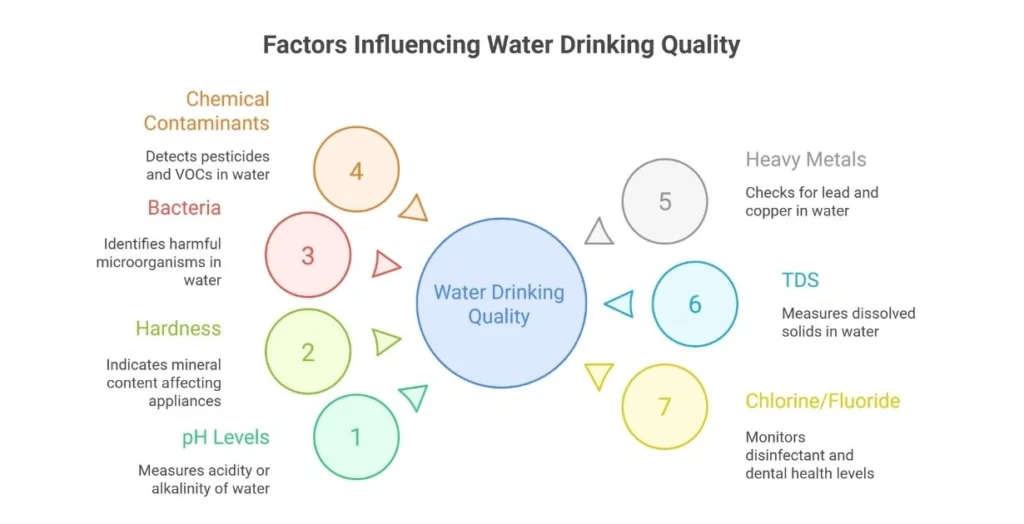
Common Signs You Need Water Quality Testing
While regular testing is recommended for all properties, certain signs indicate it’s time for immediate water quality sure analysis:
- Unusual taste or odor: A metallic, sulfuric, or chlorine-like smell could signal contamination.
- Staining on fixtures or laundry: Rust-colored stains or residue often indicate iron or manganese in your water.
- Cloudy or discolored water: Sediment or organic matter may be entering your system.
- Frequent plumbing issues: Scale buildup or corrosion can stem from poor water chemistry.
- Health concerns: Stomach issues, skin irritation, or allergies may relate to water quality.
Ignoring these symptoms can lead to plumbing damage and long-term health effects. That’s why scheduling professional water quality sure analysis through Cardinal Plumbing Co. ensures peace of mind and reliable results.
The Professional Water Drinking Quality Analysis Process
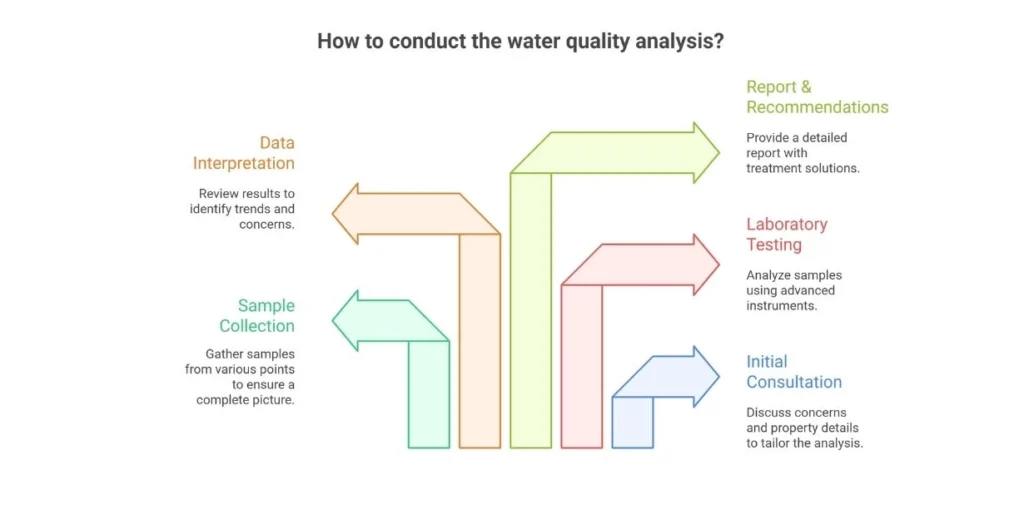
At Cardinal Plumbing Co., we follow a detailed and scientific approach to evaluating water quality. Our technicians use certified lab testing and advanced on-site diagnostics to deliver accurate, actionable results.
Here’s how the process typically works:
Water Quality in Illinois: Local Challenges
Illinois water supplies are drawn from rivers, lakes, and underground aquifers. While municipal treatment ensures basic safety, factors like aging pipes, agricultural runoff, and natural minerals can still degrade water quality by the time it reaches your faucet.
Common issues in Illinois include:
- Hard water from high calcium and magnesium levels
- Lead contamination in older buildings
- Nitrate runoff in rural areas
- Chlorine taste from municipal disinfection
Conducting routine water drinking quality analysis helps detect and resolve these issues before they escalate.
How Often Should You Test Your Water?
The frequency of water drinking quality analysis depends on your water source and plumbing system:
- Municipal Water Users: Once a year, especially if you notice changes in taste or odor.
- Private Well Owners: At least twice a year, since wells are more prone to contamination.
- Commercial Facilities: Quarterly or after any plumbing maintenance, as regulations often require documented testing.
Consistency ensures safe drinking water, healthier plumbing systems, and regulatory compliance for businesses.
Benefits of Regular Water Drinking Quality Analysis
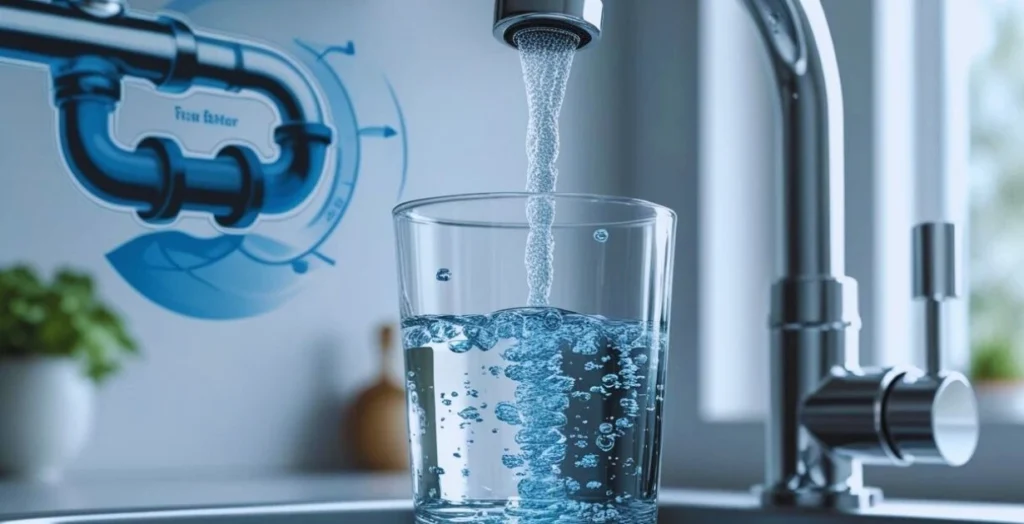
Regularly analyzing the quality of your drinking water is crucial for safeguarding public health and ensuring the longevity of water distribution infrastructure. This practice allows for the early detection of harmful contaminants such as bacteria, heavy metal, and chemical pollutants. Identifying these issues promptly is essential for taking corrective actions, whether through treatment or source protection, thereby preventing waterborne diseases and chronic health problems.
Choosing the Right Water Treatment After Analysis
Once water quality analysis identifies contaminants, the next step is selecting the right treatment solution. Common options include:
- Water Softeners Best for reducing calcium and magnesium to prevent scaling.
- Carbon Filters Effective for removing chlorine, pesticides, and organic compounds that cause taste and odor issues.
- Reverse Osmosis Systems Ideal for removing dissolved solids, heavy metals, and bacteria.
- UV Purification Uses ultraviolet light to eliminate harmful microorganisms.
- Whole-House Filtration Systems Provides comprehensive protection for every tap and appliance in your home or business.
The Link Between Water Quality and Plumbing Efficiency
Poor water quality doesn’t just affect health it impacts plumbing system performance too. How to water analysis report reduces pressure, and shortens water heater lifespan. Corrosive water can eat away at copper and steel pipes, leading to leaks and water discoloration. By performing water quality to analysis regularly, you can detect these problems early and implement solutions to keep your plumbing efficient, reliable, and safe for years to come.
Environmental Benefits of Water Quality Awareness
When homeowners and businesses take water quality analysis seriously, the benefits extend beyond personal use. Cleaner water reduces strain on local ecosystems, minimizes waste, and promotes sustainable living. Using filtration systems also lowers the need for bottled water, reducing plastic pollution in Illinois communities.
Why Professional Testing Beats DIY Kits
While over-the-counter testing kits exist, they can’t match the accuracy or depth of professional water quality to analysis. Most DIY kits only test for a few basic indicators, whereas certified laboratories can detect trace elements and emerging contaminants that pose long-term risks. Professionals also interpret results with context explaining not only what’s in your water, but why it matters and how to address it effectively.
Why Choose Cardinal Plumbing Co. for Water Testing in Illinois
When it comes to water quality to analysis, expertise and precision make all the difference. Cardinal Plumbing Co. brings years of experience serving Illinois homeowners and business owners with reliable, data-driven solutions.
Our services include:
- Comprehensive testing for chemical, biological, and physical contaminants
- Accurate reporting and easy-to-understand recommendations
- Installation of customized filtration and purification systems
- Long-term maintenance plans for continued water quality assurance
Final Thoughts
Clean water isn’t something to take for granted. Every drop that flows through your home or business carries potential risks if left untested. By investing in professional water quality to analysis, you’re taking a proactive step toward protecting your health, your plumbing, and your property’s long-term value.
Whether you’re dealing with hard water stains, odd tastes, or just want peace of mind, Cardinal Plumbing Co. is here to help. Our expert technicians use advanced tools and proven water quality analysis methods to ensure your water supply meets the highest standards of purity and performance. Contact Cardinal Plumbing Co. in Illinois today to schedule, your professional water quality test and experience the difference that clean, reliable water can make in your home or business.
Frequently Asked Questions About Water Quality Analysis
What are the methods of water quality analysis?
Discusses Professional Analysis using certified lab testing and on-site diagnostics, contrasting with limited DIY kits.
What are the 5 water quality tests?
Analysis detects lead, bacteria, nitrates, chemicals, and signs like taste, odor, and staining.
What are the 5 main indicators of water quality?
Indicators include taste/odor, staining (iron), cloudiness, scale buildup/corrosion, and links to health concerns.
What are the 6 parameters of water quality?
Mentions common Illinois issues related to parameters: Hard water, Lead, Nitrates, and Chlorine.
What is TDS and pH in water?
Content addresses Hard water (related to TDS) and Corrosive water (related to pH), which cause scaling and leaks.